
VIFF Queering Cinema
Beyond the Frame: Finding “Longing and Belonging” at VIFF’s Queering Cinema
In a world that often asks us to fit into neat boxes, cinema has the unique power to break them open. This season, the Vancouver International Film Festival (VIFF) is doing exactly that with its latest installment of the Queering Cinema series. Curated by the visionary Fay Nass, the current program—themed "Longing/Belonging"—is more than just a film screening; it’s a visceral exploration of the spaces we inhabit and the people we hold dear.
The Heart of the Series
Queering Cinema challenges the traditional "hegemonic" gaze, offering stories that push the boundaries of form and genre. As curator Fay Nass puts it, these films serve as a "meditation on exile, intimacy, and the fragile hope of beginning again." Whether it’s the quiet negotiation of an undocumented life or the volatile storm of a crumbling romance, the series puts a spotlight on the "boiling point of tension" where traditional storytelling meets the radical new.
Featured Highlights
The 2026 lineup features "form-pushing" works that demand to be seen on the big screen. Here are a few standouts currently sparking conversation at the VIFF Centre:
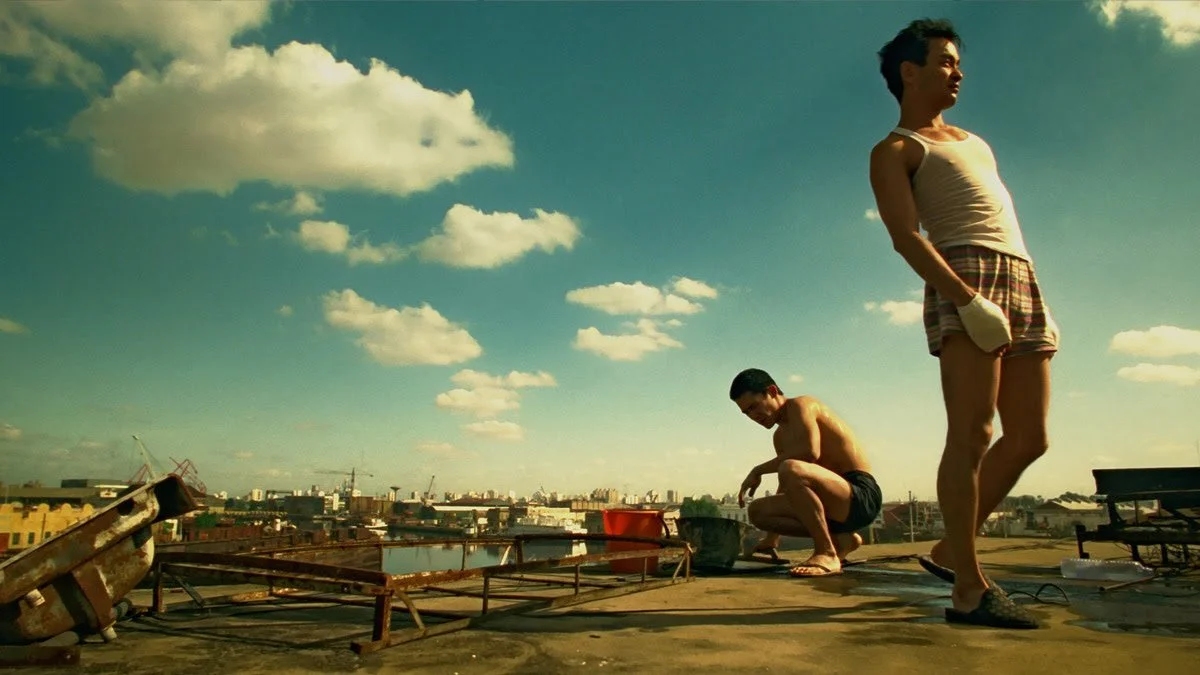
Happy Together (Dir. Wong Kar-wai): A masterpiece of stylistic unrest. Set against the "disorienting vastness" of Buenos Aires, this landmark film follows two lovers in a cycle of separation and return. It is a lush, jagged, and sensory-overwhelming look at how love can be both a sanctuary and a storm.
Lingua Franca (Dir. Isabel Sandoval): A tender, restrained portrait of an undocumented Filipina trans woman in New York. The film masterfully explores how intimacy is shaped by vulnerability and the constant, quiet search for a place to truly belong.
Love Lies Bleeding (Dir. Rose Glass): For those who prefer their queer cinema with a side of grit, this "sexily sinister" neo-noir starring Kristen Stewart brings a pumped-up, high-octane energy to the series.
Many screenings are paired with live performances, DJ sets, or Q&A sessions with creators, transforming the VIFF Centre into a vibrant "sanctuary for community." It’s a space where the 2SLBGTQIA+ community and film lovers alike can gather to see their lives reflected with dignity, complexity, and unapologetic artistry.
Whether you’re a lifelong cinephile or looking to expand your horizons, Queering Cinema offers a window into the most "philosophically rewarding" corners of modern film.
Where: VIFF Centre, 1181 Seymour Street
When: Ongoing throughout the season
Tickets: Available at viff.org
TICKETS & INFO
Screening Schedule
Happy Together (Dir. Wong Kar-Wai): April 1, 7:30 pm. A sensory, stylistic journey following lovers through Buenos Aires.
Stranger by the Lake (Dir. Alain Guiraudie): April 8, 8:00 pm. A slow-burning thriller exploring the intersection of desire and danger at a secluded cruising beach.
Heartbeats (Dir. Xavier Dolan): April 16, 7:30 pm. A colorful look at the absurdity of unrequited love and the fragility of friendship.
Fucktoys (Dir. Annapurna Sriram): April 21, 8:30 pm. Special Advance Screening + Q&A. A bold dive into the politics of sexuality and labor.
Love Lies Bleeding (Dir. Rose Glass): April 23, 7:30 pm. A "pumped-up" queer neo-noir starring Kristen Stewart.
Lingua Franca (Dir. Isabel Sandoval): April 29, 7:30 pm. A tender portrait of an undocumented Filipina trans woman navigating intimacy and survival in New York.
Curated by Fay Nass
Fay Nass (she/he/they) is a prominent Vancouver-based interdisciplinary artist, director, and curator who has become a leading voice in the city's queer and immigrant arts communities. Originally from Iran, Nass moved to Vancouver in 2001. Their work is deeply influenced by their experience as an Iranian-Canadian immigrant and a non-binary queer artist. They hold an MFA from Simon Fraser University and have focused their 20-year career on "queering" traditional forms of storytelling—breaking down Western and Eurocentric narrative structures to create space for intersectional experiences.
Nass frequently uses the term "queering" as a methodology rather than just a subject. For them, it is about disrupting dominant narratives and creating "sanctuaries for community." Their work often addresses the "dual identity" many immigrants face—navigating the complexities of belonging to a new country while maintaining a connection to a mother tongue and culture that may have complicated relationships with queerness.