
Queering Valentine’s Day - A History
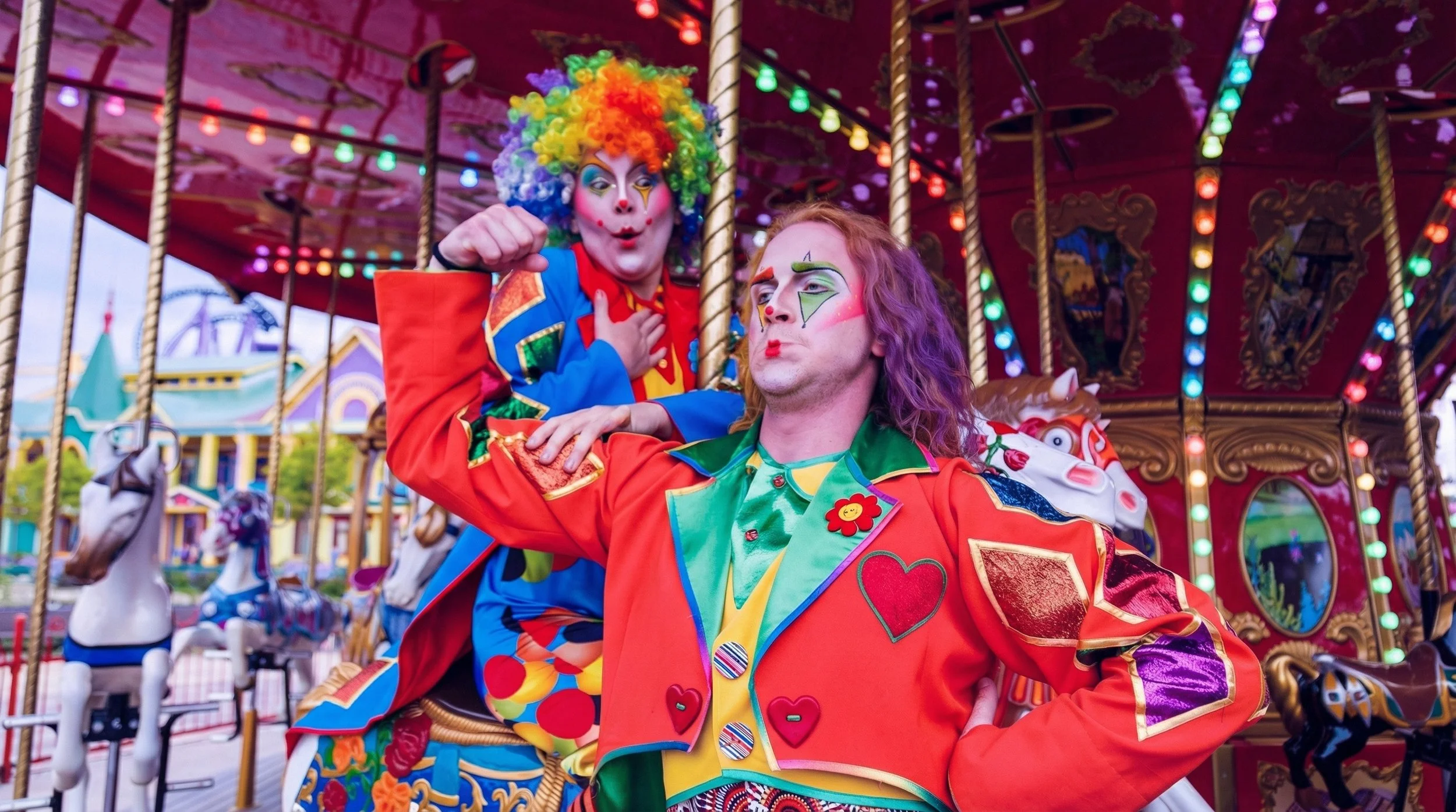
The Queer History of Valentine’s Day
While there is no single queer origin story for Valentine’s Day, there is a long tradition of queering its myths, questioning its assumptions, and reclaiming its symbols. What begins as a Christian feast day and a Roman festival becomes something more flexible when viewed through a queer lens.
St. Valentine and the Politics of Forbidden Love
The most familiar legend of Valentine centres on a third-century Roman priest, later known as St. Valentine, who performed marriages in secret. According to tradition, these ceremonies defied an order by Emperor Claudius II, who believed unmarried soldiers made better fighters. Valentine’s punishment was imprisonment and execution.
The story is usually told with straight couples assumed by default, but that assumption says more about later storytellers than about the act itself. Valentine’s real transgression was not whom he married but that he affirmed love without state approval. That makes him a useful figure for queer readings, especially in communities shaped by criminalization, secrecy, and resistance.
St. Valentine is a patron of love that exists outside permission.
From Your Valentine
Another enduring legend claims that while imprisoned, Valentine healed the jailer’s blind daughter and left her a farewell letter signed “From your Valentine.” Whether this moment was romantic, pastoral, or purely symbolic is unknowable. What matters is how history chooses to frame closeness. Queer interpretations often point out how easily intense devotion gets straightened over time. Re-reading these stories becomes an act of reclaiming intimacy itself, especially when history has so often denied queer people the language to describe their bonds.
Fertility, Pleasure and Community anyone?
Long before Valentine was canonized, February marked the Roman festival of Lupercalia. Celebrated between February 13 and 15, it centred fertility, pleasure, and community rather than romantic pairing.
Ancient Rome held far more fluid ideas about sex and gender than later Christian societies would allow, even if those freedoms were uneven and hierarchical.
Many queer communities today feel more resonance with these pagan roots than with the modern commercial script of Valentine’s Day. The emphasis on desire, ritual, and collective experience offers a different way to understand love, one that does not rely on monogamy or gendered roles.
Modern queer and pagan communities often reclaim Lupercalia as a celebration of kink and consensual power play. In a world where Valentine’s Day is sanitized into chocolates and teddy bears, Lupercalia is a reminder of the "blood and bone" roots of desire. Queer historians often point to the festival’s inherent "carnivalesque" nature—a time when social hierarchies and rigid gender norms were temporarily suspended in favor of wine, nudity, and public revelry.
Queer Milestone Dates
Valentine’s Day also holds specific meaning in queer history. In the United States, Daughters of Bilitis founders Del Martin and Phyllis Lyon met in 1950 and began their life together as a couple on Valentine’s Day in 1953. Their relationship and activism helped shape early lesbian organizing, media, and visibility.
More recently, Aromantic Spectrum Awareness Week is often observed in the days following Valentine’s Day. Its presence complicates the idea that romance is universal or required. In doing so, it adds another layer to how the 2SLGBTQiA+ community understands love, connection, and choice.
Other Saints, Other Stories
We can also look beyond Valentine himself. Saints Sergius and Bacchus, fourth-century Roman soldiers martyred together, are frequently cited as an example of a same-sex paired relationship within early Christianity. Saints Felicity and Perpetua, whose prison writings describe a profound bond, are often read through a queer lens as well. These stories offer alternatives to the idea that queerness and faith have always existed in opposition.
Reclaiming the Day
For queer communities, Valentine’s Day has never been only about romance. It is, and always will be, a site of reinterpretation, resistance, and expansion. Whether it is celebrated with lovers, friends, chosen family, or not at all, the day carries layers that are worth remembering. Its history, like queer history itself, resists a single definition.