
Everyday Sustainability: How SmallLifestyle Choices Are Reshaping QueerLiving Spaces

Across many communities, there’s a growing shift toward intentional living, one that prioritizes not just how spaces look, but how they function and what they represent. In queer spaces especially, the home has long been more than a physical environment. It’s a place of expression, safety, and identity. As a result, the way these spaces are maintained often reflects deeper values.
Sustainability has become part of that conversation. Not as a trend, but as a practical extension of care, for the environment, for shared spaces, and for daily routines that feel aligned with personal beliefs. What’s interesting is that this shift isn’t driven by large, dramatic changes. It’s happening through small, consistent decisions that reshape how everyday life is structured.
The Role of Everyday Habits
Sustainable living is often associated with big commitments, but in reality, it’s built on habits. The products people use daily, cleaning supplies, personal care items, laundry solutions, have a cumulative impact that is easy to underestimate.
Laundry, for example, is one of the most routine tasks in any household. Yet it carries a significant environmental footprint through packaging waste, water usage, and chemical runoff. Rethinking how this task is approached can have a measurable effect over time.
This is where alternatives like laundry detergent sheets have gained attention. Instead of bulky plastic containers and liquid formulas, these compact solutions offer a more streamlined and environmentally conscious option. SweepScrub offers an overview of the best laundry detergent sheets and explores how these products simplify routines while reducing waste, making them an increasingly practical choice for modern households.
Simplifying Without Compromising
One of the reasons these shifts are gaining traction is that they don’t require sacrificing effectiveness. The idea that sustainability must come at the cost of convenience is gradually being replaced by solutions that offer both.
Laundry sheets, for instance, are designed to dissolve fully, reduce mess, and eliminate the need for measuring. This simplifies the process while maintaining cleaning performance. For people balancing busy schedules, this kind of efficiency matters.
At the same time, it reflects a broader mindset: choosing options that make everyday tasks easier while also aligning with long-term values. Sustainability becomes less about effort and more about thoughtful selection.
Community Influence and Shared Values
In queer communities, lifestyle choices often extend beyond the individual. Shared living spaces, collective environments, and strong social networks mean that habits can influence others in meaningful ways.
When one person adopts a more sustainable approach, it often sparks conversation and curiosity. Over time, these choices can spread, creating a collective shift toward more conscious living.
This dynamic is particularly visible in urban environments, where shared housing and close-knit communities are common. Small adjustments, like switching to lower-waste products, become part of a larger cultural movement that emphasizes care, responsibility, and awareness.
Choosing Better Products With Purpose
As awareness grows, so does the demand for products that meet both practical and ethical standards. People are looking for options that are effective, easy to use, and aligned with their values.
Curated resources that highlight recommended laundry detergent sheets help simplify this process by offering guidance on what works and what to consider. Instead of navigating an overwhelming number of options, individuals can make informed decisions that fit their needs.
This shift toward intentional consumption reflects a broader change in how people approach everyday purchases. It’s less about quantity and more about quality, reliability, and impact.
The Connection Between Space and Identity
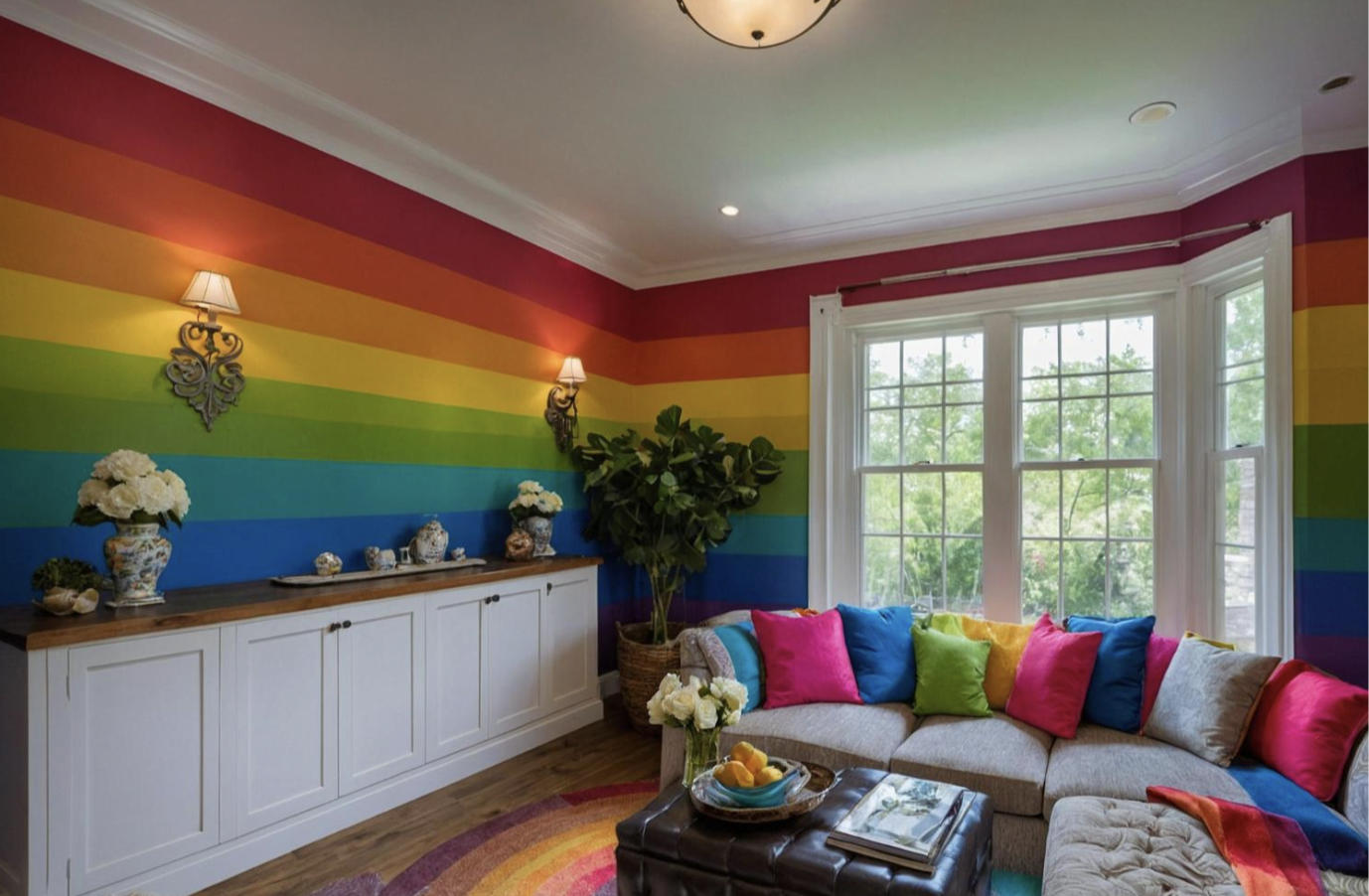
For many, especially within queer communities, the home is closely tied to identity. It’s a space where personal expression is not only possible but essential. The way a home is maintained, clean, organized, thoughtfully arranged, contributes to that sense of identity.
Sustainable choices naturally integrate into this framework. They become part of how a space is defined, not just visually but functionally. A home that reflects care for the environment often also reflects a deeper sense of intention in other areas of life.
This connection makes sustainability feel less like an obligation and more like an extension of self-expression.
Environmental Awareness in Daily Life
The environmental impact of daily habits is becoming harder to ignore. According to United Nations Environment Programme, small household choices collectively contribute to broader environmental outcomes, particularly in areas like waste reduction and resource consumption.
While individual actions may seem minor, their combined effect is significant. This perspective reinforces the importance of consistency, making choices that are sustainable not just occasionally, but as part of everyday routines.
Balancing Practicality and Progress
One of the reasons sustainable habits are more widely adopted today is that they no longer feel impractical. Solutions are evolving to meet real-world needs, offering options that fit into existing routines without requiring major adjustments.
This balance is key. When sustainable choices are easy to integrate, they become more likely to stick. Over time, they transition from conscious decisions to default behaviours.
That’s where real change happens, not through isolated actions, but through patterns that become part of daily life.
A Collective Movement Built on Small Changes
What makes this shift particularly meaningful is its collective nature. It’s not driven by a single group or initiative, but by individuals making choices that align with their values.
In queer communities, where connection and shared experience play a strong role, these changes can feel especially impactful. They reinforce a sense of care, not just for personal spaces, but for the wider environment and community.
Redefining What It Means to Care for a Space
Caring for a home is no longer just about cleanliness or organization. It’s about how that care is expressed, through the products used, the habits maintained, and the values reflected in everyday decisions.
Sustainability adds another layer to this process. It encourages a more thoughtful approach, one that considers both immediate results and long-term impact.
The Future of Everyday Living
As these habits continue to evolve, they are likely to shape how living spaces are designed, maintained, and experienced. Sustainability will become less of a separate consideration and more of an integrated part of daily life.
The changes may remain small on the surface, but their influence will continue to grow.
Because in the end, it’s not the scale of a decision that matters most, it’s the consistency with which it’s made.