
The Evolving Queer Nightlife Scene in British Columbia
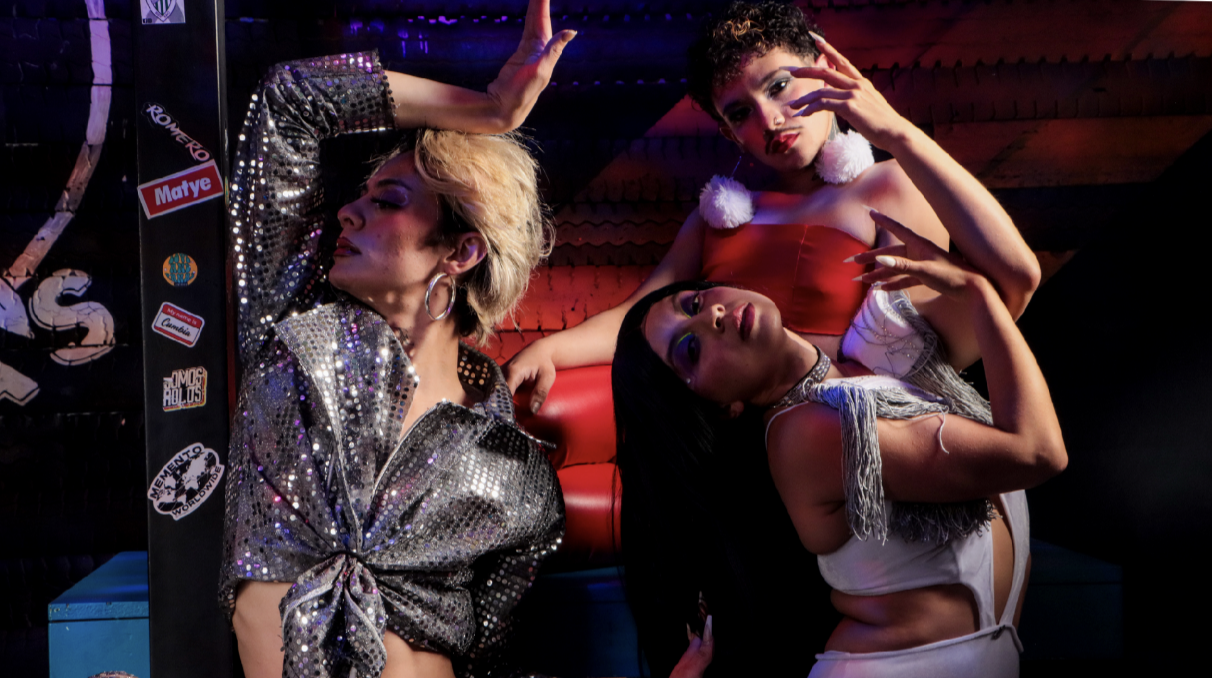
Queer nightlife across British Columbia doesn’t look the way it once did. It used to revolve around smoke-filled dance floors, dim clubs, and mostly urban scenes. Now, it feels more scattered and unpredictable. In Vancouver and Victoria, the energy has shifted toward a blend of drag, alt-fashion, politics, and live art that all meet under one roof; sometimes that roof is literal, sometimes it’s little more than a pop-up tent. Davie Village and other iconic sites have not faded out but instead coexist with an ambitious wave of informal happenings. Attendance is still strong. In 2023, Tourism Vancouver reported over 34,000 partygoers took part in Pride after-parties alone. There’s momentum building. Together with parallel online trends, BC’s nightlife continues to redefine itself.
Changing shape of venues and events
There are simply fewer dedicated gay bars around the province these days. Numbers from UBC’s Social Justice Institute show that closures outpaced new openings by a considerable margin, especially between 2005 and 2022; over 40 percent more disappeared than emerged. High commercial rents have played their part, but so have changing habits and broader social inclusion. Instead of a single bar at the core, you’re more likely to find makeshift clubs, artist events, or block parties forming the social backbone. A kind of sweet bonanza of community-driven gatherings. These bring with them a new attitude. Organizers, often led by QTBIPOC, trans, and non-binary people create spaces correcting for older exclusions.
Intersectionality, access, and building something new
Today’s queer community prioritizes inclusivity. Unlike the older scene, alcohol-driven nights are far from the only option. Sober socials, film screenings, and poetry shows; these types of nights now pull in just as many, if not more, than the standard club. And it is not just about physical events, either. Many discovered new forms of connection during the isolation of the pandemic, when hybrid and online happenings flourished. Virtual platforms offered various queer meet-ups, dance parties, and social forums. Remote access has become vital, especially for those who live outside the major cities or who want cultural specificity and safety. A report from Qmunity in 2023 notes a 67 percent rise in hybrid attendance since 2020. That’s not insignificant. People in Nanaimo can join drag bingo, poetry, or vogue classes with a click, no longer facing hours on the highway for a night out.
Grassroots organizing and creativity at the core
Lately, it seems like grassroots organizing is what keeps things lively across British Columbia. There are examples everywhere. In Victoria, Queerly Victoria uses Facebook to pull together pop-ups; sometimes it’s a dance, or maybe a hike, or a small art show. What stands out is that these activities are ongoing and frequent. Island Trails Eco Tours tallied more than 120 queer-focused events just in Greater Victoria last year. At the Royal BC Museum, Queer & Curious nights brought in over 1,300 guests for one evening, combining exhibitions, dancing, and performance at once. Vancouver tells a similar story, where big names like Celebrities live alongside truly experimental events in new spaces. You’ll find drag brunches paired with social justice talks, gallery installations, and even multi-use venues spreading word mainly through Instagram and whispers among friends. The result is that club culture now shares the spotlight with homegrown, spontaneous efforts.
Looking forward: resilience and reinvention
If there is a clear direction for the future, it is in learning to adapt. Resilience is becoming a defining trait, as a notable 28 percent of people, by UBC’s 2024 polling, say they’d rather attend something in the daytime or in a non-club setting altogether. So, online and sober gatherings are here to stay, and daytime happenings probably are too. City-to-city collaborations and ties with schools are strengthening as well. Public policy matters in all this. Vancouver’s changes to outdoor event permits and closing times are a nod to what organizers have been asking for. According to both organizers and academics, this support has made British Columbia’s queer scene into a kind of bellwether for the west. Nightlife is not just about dancing anymore. It’s about claiming space, building networks, and sparking fresh creativity, even as the ground keeps shifting.