Inclusive Online Communities: Gaming, Events & Entertainment
Entertainment has moved online, and the online layer has quietly turned out to be more welcoming than many of the physical venues it supplements. For queer audiences priced out of nightlife, disabled players shut out of poorly built rooms, folks in small towns without a scene, and anyone who grew up looking for “their people” on the wrong block, the internet has done something rooms often couldn’t: it put the community within reach.
This article looks at that shift across three strata: the gaming guilds that figured it out first, the broader online spaces that borrowed the blueprint, and the virtual events that stitched it all into something you can log in to on a Friday night.
Inclusive gaming communities as the blueprint
Long before “safe space” became a corporate talking point, online gaming communities had already written the first draft. Handle-first identity meant nobody needed a legal name on their jersey. Voice-chat etiquette evolved its own unwritten rules about who gets interrupted and who doesn’t. Guild moderation was being hashed out in forum threads a decade before mainstream social platforms admitted they needed any.
The titles that get name-checked most often in queer gaming circles aren’t accidents. Final Fantasy XIV built a free-company culture where guilds host weddings, drag nights and support meet-ups inside Eorzea itself.
Naoki Yoshida,Game Director & Producer, said: "An MMORPG is a mirror of society... The players are the ones who create the history and the culture within the world we built. When we see players holding weddings, running player-owned cafes, or coming together to support each other through hard times, we realize that FFXIV is no longer just a game—it’s a second home."
Guild Wars 2 put a wide swing of gender presentation and romantic options into its character creator without making a press release of it. Baldur’s Gate 3 was praised across the gaming press for letting romance and identity sit in the story rather than hover beside it as a feature list.
What those communities worked out, that identity is a declaration rather than a credential, spread outward. The patterns they established around moderation, pseudonymity and shared ritual now show up across the wider stack of online spaces people spend their evenings in.
Online entertainment platforms beyond gaming
Zoom out from games themselves and the broader ecosystem starts to look like one long family tree with gaming at the root. The categories now cover a wide stretch of how people spend their evenings together, and each has its own community texture.
Live-streaming hubs: Twitch, YouTube and Kick, where creators and audiences assemble in chat as much as they do around the broadcast.
Virtual-event platforms: Hopin, Airmeet and Zoom Events, built for scheduled gatherings that need more than a group call.
Creator economies: Patreon, Ko-fi and Substack, which let audiences support the people whose work they actually use.
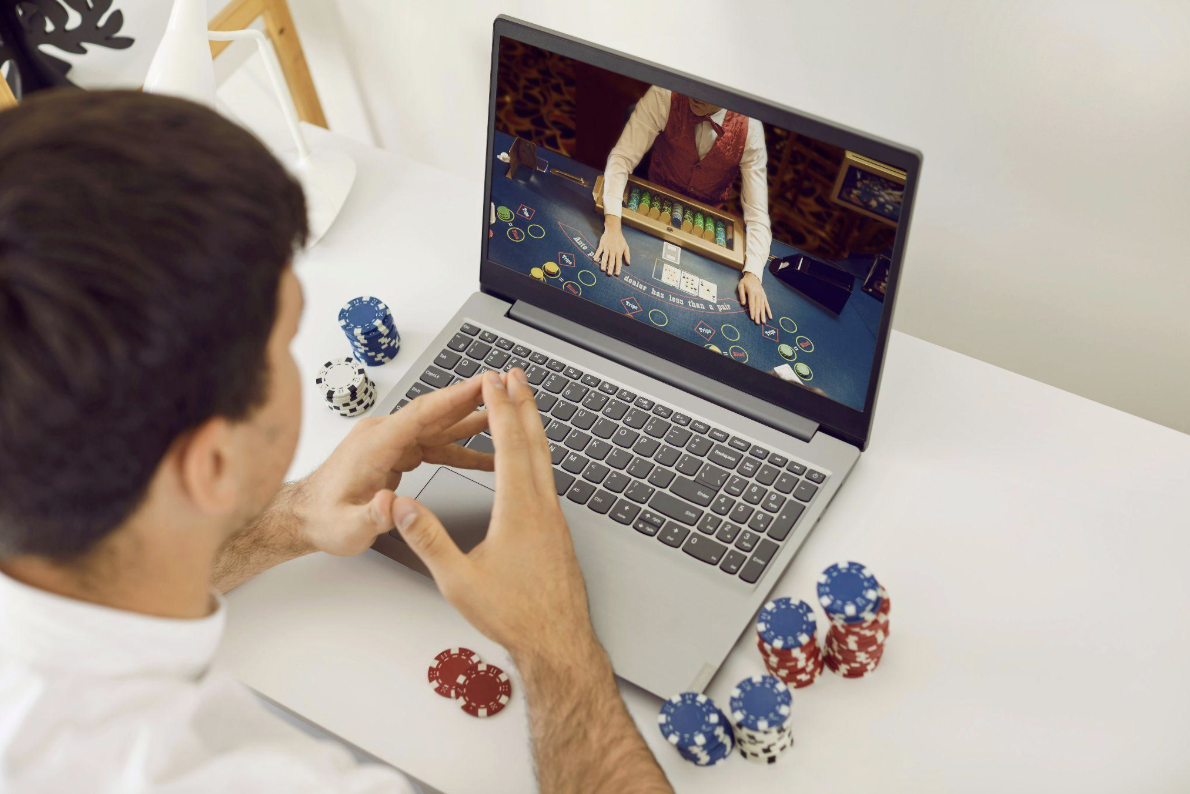
Online gaming and casino platforms: Multiplayer games, casual mobile titles, and online casinos offer different forms of interactive entertainment. Casino platforms, in particular, cater to players with varying budgets and gaming preferences. For example, ecasinos.ph reviews the 50 minimum deposit online casino category, helping readers compare accessible deposit options, available games, and payment methods. These platforms add another dimension to the digital entertainment landscape, although real-money gaming comes with additional financial considerations.
Community hubs: Discord, Reddit communities and Mastodon instances, where the conversation is the point and the chat log is the content.
None of these spaces arrives inclusive out of the box. What makes them feel that way, when they do, is almost always the work of the users who showed up early, set the tone and refused to let it drift back to the default. It’s the same quiet labour the queer corners of the internet have been doing for years.
The pandemic forced the question that queer organisers had been quietly working on for years: how do you throw a Pride when the physical venue isn’t an option? Global Pride 2020 answered it at scale, pulling together programming that reached viewers in more than ninety countries over a single twenty-four-hour window. Since then, annual Pride-month blocks on Twitch and YouTube have become fixtures, with creator fundraisers, panel streams and performance showcases running right through June.
Brittany Brown, Former Twitch Community Campaign Manager: “Our community is strongest and our creators make the best content when everyone on Twitch feels like they belong and can be themselves.”
What makes virtual events land as actual community rather than content is the detail work. Live captions mean deaf and hard-of-hearing viewers aren’t getting a worse version of the broadcast. Screen-reader compatibility on event platforms is finally being treated as a baseline rather than an extra.
Time-zone-aware scheduling, something a single-city festival never has to think about, lets a Vancouver organiser and a Lisbon viewer actually meet in the middle. The result is a kind of gathering that physical infrastructure couldn’t have delivered on its own.
Top online entertainment platforms 2026
A short who’s-who of the platforms currently defining the inclusive-entertainment space:
Twitch: still the default for live community programming, with tag systems that let viewers find queer, trans and disabled creators without digging.
Discord: the connective tissue, hosting everything from fandom servers to local chosen-family group chats.
YouTube: the long-tail archive, where creators from underrepresented communities build audiences the algorithm initially overlooked.
Steam: quietly significant for its community features, user-written guides and the sheer breadth of indie titles telling non-default stories.
Roblox-style co-play tools: where a lot of younger players are learning that online spaces are something you build and moderate, not just consume.
None of them is perfect. All of them owe their better features to the communities that pushed them there.
Gaming, platforms, events: three strata, one through-line. The inclusivity of online entertainment isn’t a feature a company rolled out in a product update. It’s a norm the communities themselves set, enforced in chat, in moderation threads and in the quiet work of showing up. That is why these spaces, for all their flaws, now feel more welcoming to a lot of people than the physical equivalents ever managed.
Please play responsibly. The 2SLGBTQiA+ community is known to be at higher risk for gambling-related harm due to a range of social and economic factors. If you or someone you know is struggling with gambling, there are support services available in British Columbia. Contact the BC Gambling Support Line at 1-888-795-6111, available 24/7, or visit www.bcresponsiblegambling.ca for confidential help, information, and free counselling