
Inclusive Social Gaming Spaces: Why Ethics Matter in the Virtual Rewards Era

The Future of Play
Creating inclusive social gaming spaces is no longer just a trend; it is a fundamental shift in how we interact in digital realms. As the industry pivots away from the competitive toxicity of the past, a new era of virtual rewards is emerging—one that prioritizes community health over aggressive monetization. This evolution is clearly visible in the rise of platforms like the sweeps casino Sweepstars, which emphasize social play and accessible rewards over traditional high-pressure spending models. This transformation is driven by a demand for environments where players of all backgrounds feel safe to connect and play. The transition toward inclusive social gaming spaces reflects a broader cultural movement. Developers are now focusing on "community-centric models" that reward positive social interactions rather than just mechanical skill or financial investment. By embedding inclusivity into the core design, the gaming world is moving toward a more sustainable and empathetic future.
Beyond the Screen
The digital economies within our favorite games have a profound psychological impact. Virtual currency entertainment ethics revolve around the balance between developer profit and player well-being. When digital assets feel meaningful, they can foster a sense of accomplishment; however, when used poorly, they can trigger compulsive behavior.
Note: Predatory Monetization vs. Fair Play
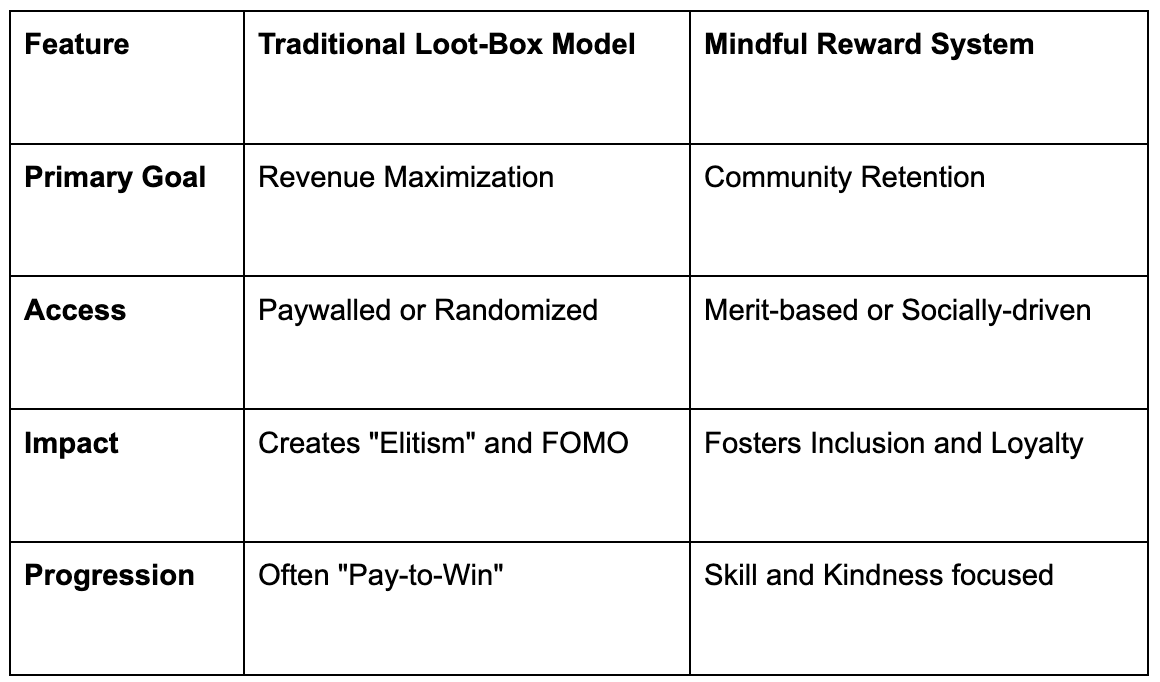
Predatory Monetization: Uses psychological "dark patterns," such as limited-time loot boxes or "fear of missing out" (FOMO) tactics, to pressure players into spending money.
Fair Play: Focuses on transparency and choice. Rewards are earned through clear milestones, and purchases are limited to cosmetic items that do not provide a competitive advantage.
Practicing ethical online engagement means ensuring that every transaction - whether of time or money - feels fair to the user.
Designing for Everyone
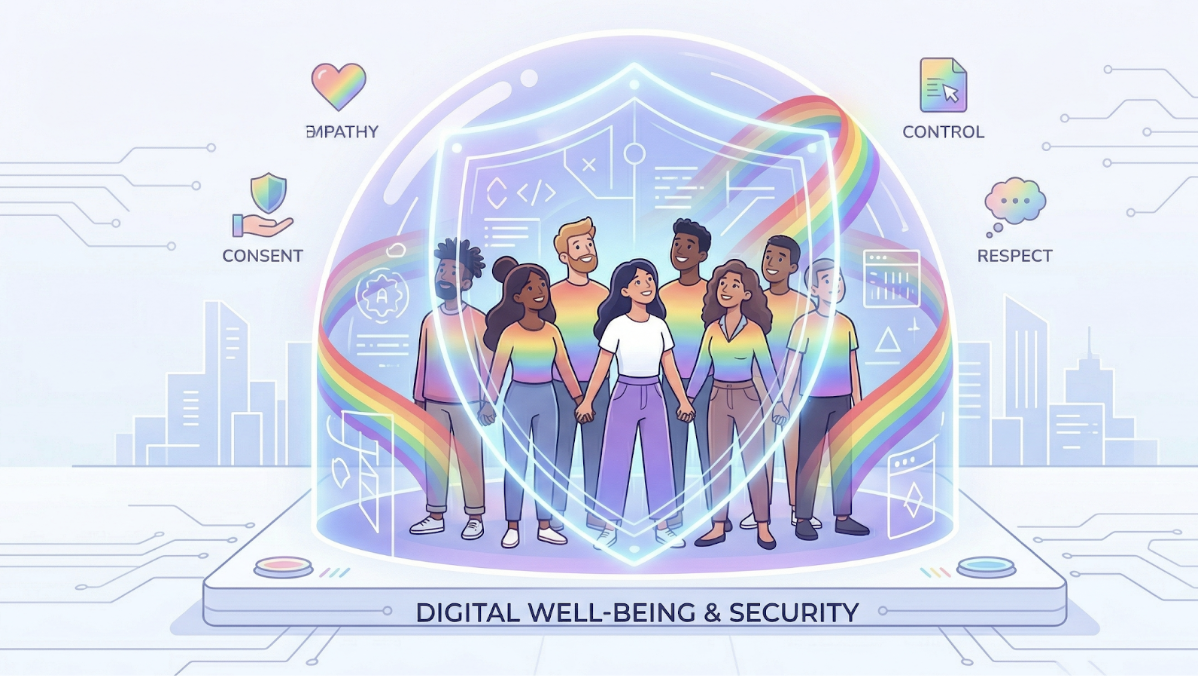
Building safe digital communities for LGBTQ+ individuals and other marginalized groups requires more than just a code of conduct. It requires proactive technical features designed to prevent harassment before it starts.
Essential Safety Features
Proactive AI Moderation: Real-time text and voice analysis to flag hate speech instantly.
Identity-First Filters: Allowing users to self-identify with protected tags that cannot be used as slurs by others.
Tiered Reporting Systems: Prioritizing reports involving harassment or threats to physical safety.
Community Vetting: Implementation of "vouched" lobbies where players are verified by long-standing members of the community.
The End of "Pay-to-Win"
The industry is seeing a massive surge in no-purchase social rewards. Instead of buying power, players earn "Social Capital" by helping others, participating in events, or simply being a positive presence in the lobby. This shifts the focus from the size of a player's wallet to the quality of their character.
Traditional vs. Mindful Reward Systems
Building Trust through Ethical Online Engagement
Trust is the currency of the modern web. When developers prioritize transparency - sharing how algorithms work and how data is stored - they build long-term ethical online engagement. Transparency in how virtual assets are distributed ensures that the "Virtual Rewards Era" is one of equity, not exploitation.
FAQ: Navigating the New Era of Social Gaming
Q: How do I know if a gaming space is truly inclusive?
A: Look for games that have explicit "Inclusivity Statements" and active moderation teams. Inclusive spaces often have dedicated channels for marginalized groups and clear, enforceable rules against hate speech.
Q: Are virtual rewards safe for younger players?
A: They can be, provided the game uses a "no-purchase" model. Always check if a game allows real-money transactions and ensure parental controls are active to monitor digital spending.
Q: How can I contribute to a safer digital community?
A: Practice active "Bystander Intervention." If you see someone being harassed, report the behavior and offer support to the victim. Your engagement is the first line of defense in maintaining a healthy environment.