
Laser Hair Removal as Part of Gender Affirming Care: Supporting Comfort During Transition
Source: Magnific
Many people who start laser hair removal for chest, facial, stomach, or back hair want more than just smoother skin.
The more important advantage of the procedure is feeling comfortable during everyday moments some people never think twice about, like getting dressed, looking in the mirror, speaking face-to-face, or leaving the house without the stress of constant shaving.
Gender transition is deeply personal, and no two experiences look the same. Some people want to soften facial features, and some want relief from irritation, visible shadow, or unwanted hair growth that doesn’t align with how they see themselves.
Either way, hair removal has become one part of building a daily routine for many trans and non-binary people. Keep reading to learn why.
Why Hair Removal Plays a Personal Role During Transition
Hair affects far more than appearance. It can affect how comfortable people feel in social settings, during daily routines, and in their own bodies.
In fact, something as small as a facial stubble at the end of the day or chest hair under certain clothing can create stress that builds more and more over time.
That experience can look different for everyone. But whatever the reason for starting laser hair removal may be, in many cases, it offers relief from routines that feel physically exhausting or emotionally draining.
Common treatment areas include:
● Face and neck
● Chest and stomach
● Back and shoulders
● Arms and underarms
● Bikini area
For some people, reducing hair growth can even change how they move through public spaces. With slower regrowth and smoother skin, interactions feel less tense.
Although the process doesn’t define someone’s transition, it can support a stronger sense of comfort and control in everyday life.
What Laser Hair Removal Changes Over Time
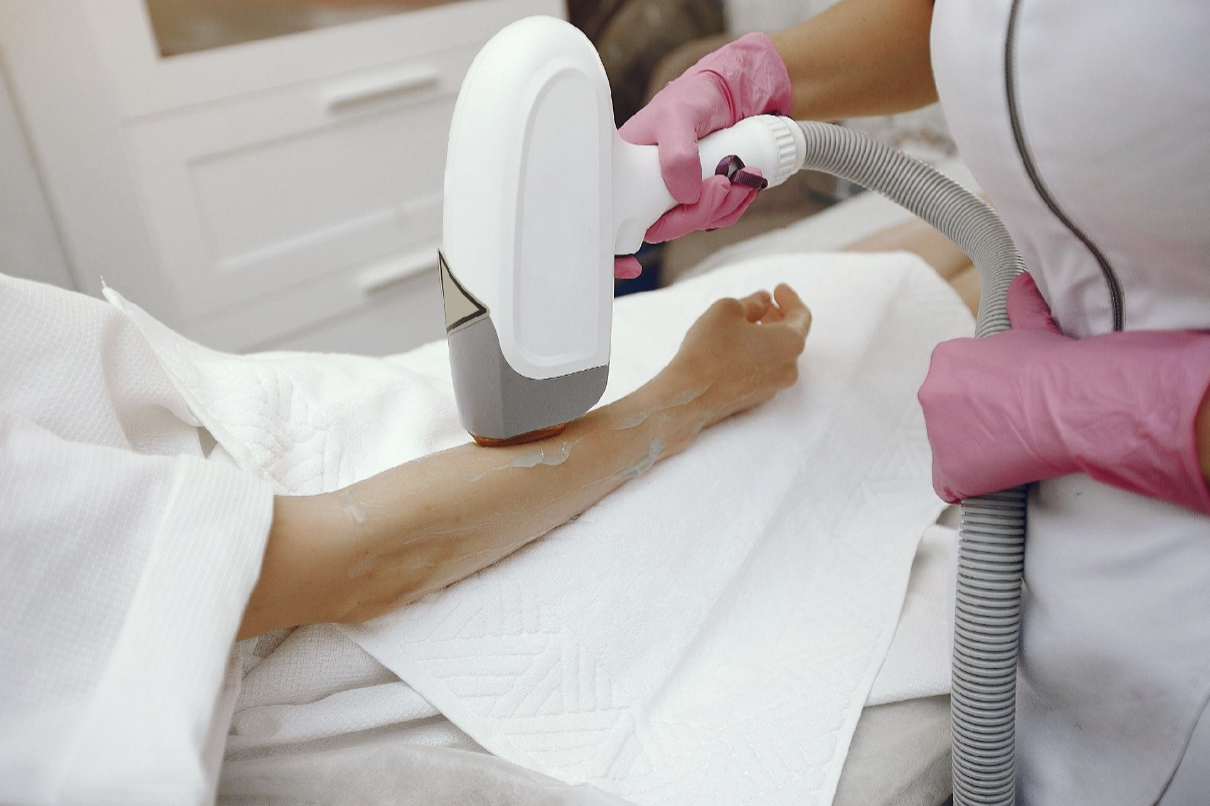
Laser hair removal works by targeting the pigment inside hair follicles. The heat damages the follicle and slows future growth, which means hair gradually becomes thinner, softer, and less noticeable over several sessions.
Results don’t happen overnight, they take time, and that timeline is important during transition because hormone changes can also affect hair patterns.
Everyone’s a unique case, but most people need a series of treatments spaced weeks apart, depending on the area. Facial hair often requires more sessions than body hair because of density and hormonal influence.
Still, in the meantime, areas that once needed constant shaving will need way less attention. The process isn’t immediate, but it’s gradual.
What’s also helpful is to set realistic expectations in the beginning.
Laser treatment usually reduces hair growth instead of removing every strand permanently. Darker hair tends to respond better because the laser targets pigment. Blonde, gray, and red hairs may need electrolysis instead.
It’s best to have a consultation with a professional and talk about all of this.
And the crucial part of the entire process? Patience. At first, many people notice only small improvements, like slower regrowth or fewer ingrown hairs, but after some time, more obvious changes will appear.
Preparing for Gender-Affirming Procedures and Daily Life
Laser hair removal is part of surgical preparation for some trans patients. Certain procedures, including vaginoplasty and phalloplasty, may require hair removal in those areas beforehand to help reduce complications later.
Providers usually give detailed instructions based on the procedure and treatment area, which is why early planning often helps.
In addition to surgical care, many people pursue laser treatment for everyday comfort.
Constant shaving or waxing can leave skin irritated, especially in sensitive areas like the neck, chest, or bikini area. Not to mention the constant cycle of doing it and not getting any permanent or long-term results.
Reducing hair growth can also help with makeup application. When the skin is smoother, it can decrease the visible beard shadow that some people try to cover every day.
It also simplifies the morning beauty routine that we all know can feel stressful or time-consuming.
Here’s a short list of what can help you prepare for the sessions:
● No waxing or plucking between appointments
● Only shaving the area before treatment
● No sun exposure on treated skin
● Follow aftercare instructions
It all leads to spending less time managing hair growth, freeing up mental energy, and making routines feel less stressful from one week to the next.
Choosing a Clinic That Understands Gender Affirming Care
When you start looking for a clinic, you’ll find all kinds of different lasers out there. Still, remember that the quality of your experience depends on way more than the laser itself.
First of all, you want to find an experienced professional who knows what they’re doing. Secondly, you want to find someone you’ll feel comfortable around, from the first consultation to the end of the process.
You should feel supported. And by “supported”, we mean, pay attention to the smallest details.
Intake forms should reflect different gender identities. Staff should use your name and pronouns correctly. All conversations about treatment areas should stay private, professional, respectful, and free from assumptions.
You also want someone to give you honest guidance instead of promising unrealistic results.
Different skin tones, hair textures, and hormone profiles respond differently to treatment, so everyone needs personalized planning.
Basically, look for:
● Experience working with trans and non-binary patients
● Knowledge of different laser technologies and skin types
● Transparent pricing and treatment timelines
● Respectful communication
● Willingness to discuss surgical preparation if needed
Laser hair removal is only one possible part of the gender-affirming care. The process isn’t universal, but for many people, this treatment offers relief that shows up in everyday routines — less shaving, less irritation, and fewer moments of discomfort tied to unwanted hair growth.