
Modern Queer Nightlife Increasingly Extends Into Digital Spaces
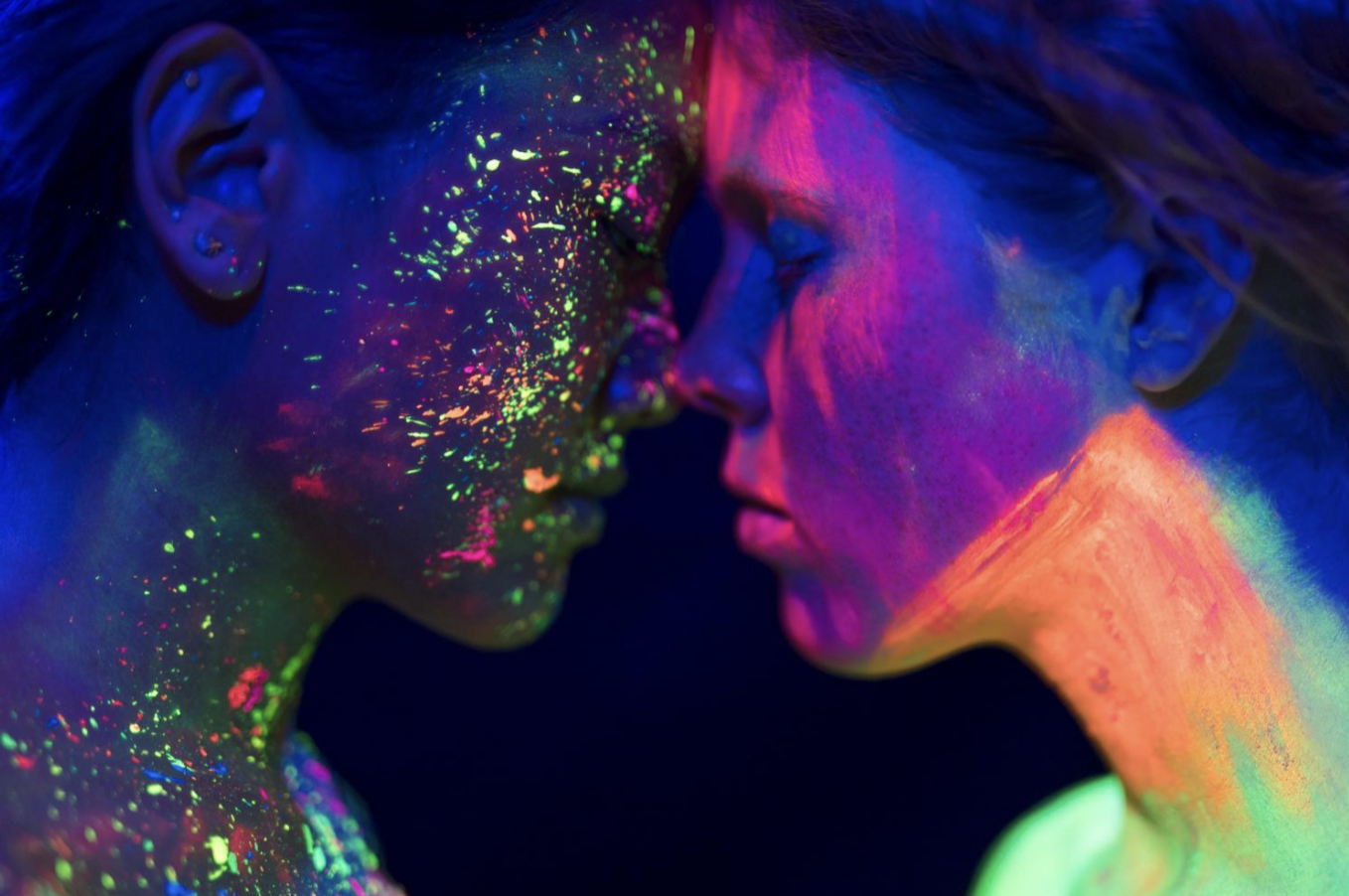
Nightlife has always played an important role within LGBTQ+ communities. Bars, clubs, live venues, drag events, community gatherings, and late-night social spaces have historically provided more than entertainment alone. For many people, they created environments centered around visibility, connection, creativity, and belonging.
Over the past decade, however, the structure of nightlife itself has started evolving. Digital platforms, mobile technology, livestreaming, and online social communities increasingly influence how people interact with entertainment and with each other. While physical venues remain deeply important to queer culture, online environments are becoming an increasingly visible extension of modern LGBTQ+ social life.
This shift reflects broader changes happening across entertainment culture, especially among younger audiences accustomed to moving fluidly between physical and digital spaces throughout the day.
Social Entertainment Is Becoming More Flexible
One of the biggest reasons digital nightlife continues expanding involves convenience and accessibility. Not everyone lives near major LGBTQ+ nightlife districts or community spaces. Smaller cities, remote regions, work schedules, financial limitations, and accessibility concerns can all influence how often people participate in traditional nightlife environments.
Digital platforms help bridge some of those gaps by allowing users to remain socially connected regardless of location. Livestreamed drag shows, online queer communities, virtual DJ sets, group chats, gaming communities, and app-based entertainment now frequently complement in person experiences rather than replace them.
Mobile-first entertainment has become especially important because many users prefer flexible experiences that fit naturally into daily routines. Smartphones allow people to move easily between messaging, livestreams, social media, music platforms, and interactive entertainment during quieter moments throughout the evening.
This same preference for convenience has influenced the growing popularity of app-based gaming and entertainment platforms optimized for mobile users. Many people now look for fast-loading interfaces, live interaction features, personalized recommendations, and social functionality that create entertainment experiences feeling active and connected rather than isolated.
For example, users exploring a modern casino on Mr Q often expect mobile-friendly navigation, live dealer environments, themed games, real-time interaction, responsive design, and flexible session lengths that align with broader digital nightlife habits. Features like live chat systems, fast account access, and community-oriented gameplay reflect the same demand for interactive social entertainment increasingly visible across many online leisure platforms.
Importantly, these trends are not replacing physical queer spaces themselves. Instead, they are expanding how community interaction happens between events, during travel, or outside traditional nightlife hours.
Queer Communities Have Always Adapted Socially
LGBTQ+ communities have historically shown strong adaptability in creating spaces for connection. Long before modern social media platforms existed, queer communities often relied on evolving communication networks, underground venues, creative social structures, and alternative gathering spaces.
Digital environments represent a continuation of that broader history of adaptation.
Online spaces now allow people to maintain social ties, discover events, engage with creators, and participate in community conversations across far wider geographic areas than traditional nightlife alone could support.
This has become especially valuable for younger audiences and individuals living outside major urban centers where dedicated LGBTQ+ venues may be less accessible.
Digital platforms increasingly support year-round engagement rather than limiting community interaction to occasional nightlife outings or major pride events.
Livestreaming and Interactive Platforms Continue Growing
Livestreaming culture has also played a major role in reshaping queer nightlife experiences. DJs, performers, drag artists, musicians, podcasters, and community creators increasingly use digital platforms to reach audiences directly.
This trend accelerated significantly during the pandemic years but has continued growing even as in-person nightlife returned. Many users now combine physical nightlife experiences with digital interaction throughout the same evening.
A person might attend a local event, follow performers on social media afterward, watch livestream content later at night, and continue engaging with online communities throughout the week.
Entertainment itself has become far more continuous and interactive as a result.
Coverage from CBC Arts has frequently explored how digital platforms and online creative spaces continue influencing LGBTQ+ culture, nightlife, and entertainment communities across Canada.
These evolving habits reflect broader cultural shifts toward more connected and flexible forms of social engagement.
Mobile Technology Is Changing Leisure Habits
Smartphones now function as central social tools across nearly every category of entertainment. Messaging apps, livestreams, ticketing systems, dating platforms, digital payments, music streaming, and online gaming all operate within the same mobile ecosystem.
For LGBTQ+ communities especially, this connectivity often supports both entertainment and social discovery simultaneously.
People increasingly expect entertainment platforms to feel personalized, accessible, and easy to navigate across mobile devices. Fast-loading interfaces, responsive design, and real-time interaction have become standard expectations rather than premium features.
This demand for convenience continues influencing the broader entertainment industry as platforms compete to provide smoother and more socially connected user experiences.
Digital Nightlife Will Likely Continue Expanding
Physical queer venues remain culturally significant and irreplaceable parts of LGBTQ+ community life. Bars, clubs, drag spaces, pride festivals, and local events continue providing visibility, celebration, and real-world connection that digital environments cannot fully replicate.
At the same time, online entertainment spaces are becoming increasingly integrated into modern nightlife culture itself.
Interactive apps, livestream communities, mobile entertainment platforms, and social digital environments now extend community interaction beyond traditional venues and schedules.
For many people, queer nightlife no longer exists only within physical locations. It also unfolds across smartphones, livestreams, online conversations, gaming communities, and digital entertainment spaces throughout the week.
As technology and entertainment habits continue evolving, digital platforms will likely remain an increasingly important extension of how LGBTQ+ communities socialize, connect, and experience modern nightlife culture.
Please play responsibly. The 2SLGBTQiA+ community is known to be at higher risk for gambling-related harm due to a range of social and economic factors. If you or someone you know is struggling with gambling, there are support services available in British Columbia. Contact the BC Gambling Support Line at 1-888-795-6111, available 24/7, or visit www.bcresponsiblegambling.ca for confidential help, information, and free counselling