
Underwear Trends for 2026: From Invisible to Confidence-First
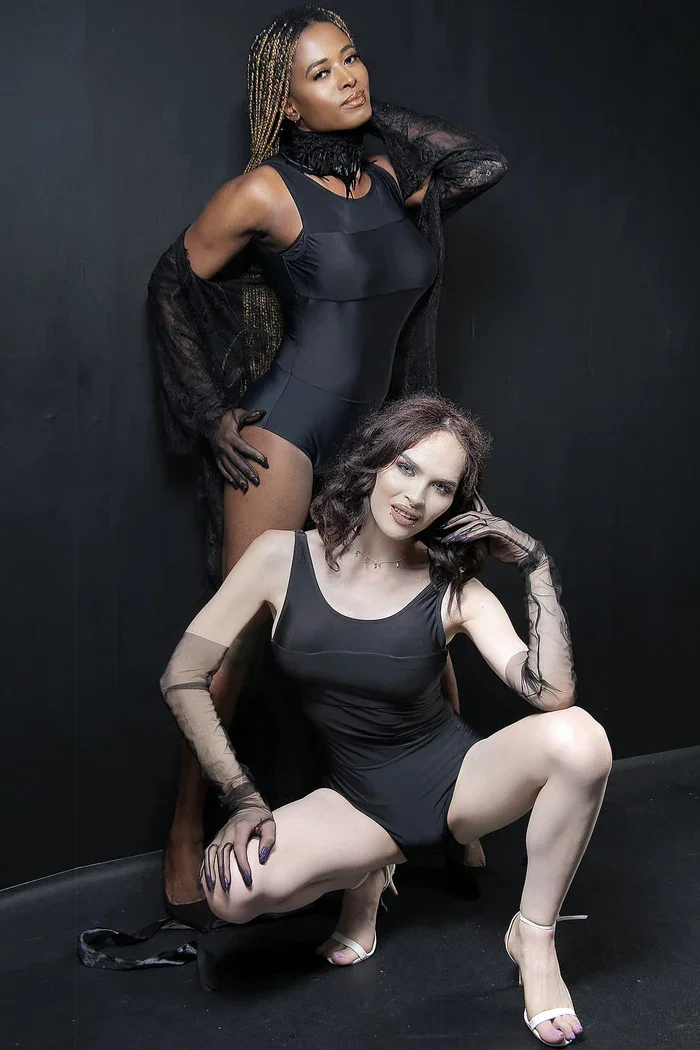
Underwear has always been fashion’s quiet constant. It sits closest to the skin, shaping how clothes fall and how we feel, yet it rarely takes center stage. That is changing fast. As we move toward 2026, underwear is no longer just a functional layer. It is becoming a design statement, a wellness product, and a reflection of personal identity all at once.
The newest underwear trends are less about following rigid rules and more about creating pieces that adapt to real bodies and real lives. Comfort still matters, but comfort is now paired with intention. Fabric choices, fit engineering, and even marketing language are evolving to meet a more informed and demanding audience.
Here is what defines underwear in 2026, and why the category is undergoing its most meaningful shift in decades.
The rise of invisible engineering
The first major trend shaping underwear in 2026 is invisibility, not in the sense of hiding the garment, but in removing friction from daily wear. Consumers want underwear that disappears under clothing without sacrificing structure or support.
Laser cut edges are becoming the standard rather than the exception. Seamless construction continues to improve, especially around leg openings and waistbands. Instead of rolling elastic or bulky stitching, brands are investing in bonded seams and molded waistbands that move naturally with the body.
Fabrics are also doing more work. Ultra fine microfibers, breathable modal blends, and lightweight performance knits are replacing heavier cotton styles. These materials stretch without losing shape, recover after washing, and remain breathable throughout the day. The goal is underwear that feels like nothing but performs like something.
Invisibility is not about minimalism alone. It is about reliability. When underwear stays in place, avoids lines, and feels consistent from morning to night, it gives wearers one less thing to think about.
Comfort that supports mental wellbeing
Comfort in 2026 is no longer limited to softness or stretch. It is deeply tied to confidence and emotional ease. Underwear brands are increasingly aware that what you wear underneath can influence posture, self perception, and even stress levels.
Designers are paying closer attention to pressure points, especially around the waist and hips. Wide waistbands that distribute tension evenly are replacing narrow elastics. Gusset design is becoming more thoughtful, allowing for better airflow and movement without compromising coverage.
This shift toward comfort is also redefining what support looks like. Instead of compressing or reshaping the body, modern underwear aims to work with natural anatomy. Support is subtle, flexible, and adaptable rather than restrictive.
This is also where inclusivity becomes more than a buzzword. Around the middle of the underwear conversation, many trend forecasts now acknowledge categories like trans underwear as part of the broader movement toward garments that respect different bodies and experiences. Rather than treating these designs as niche, forward thinking brands are folding inclusive thinking into their core product development, benefiting everyone in the process.
A move toward confidence-first design
If invisibility was the dominant goal of the past decade, confidence is the defining theme of 2026. Confidence-first underwear is not about shaping or correcting. It is about creating a sense of security and self assurance that comes from thoughtful design.
Color palettes are expanding beyond beige and black. Expect to see muted jewel tones, soft pastels, and earthy neutrals designed to feel personal rather than performative. These shades are chosen to complement skin tones rather than disappear against them.
Details matter here. Small design touches like smooth waistbands, supportive panels, and intentional coverage create a feeling of being held without being constrained. Underwear is becoming less about what it does to the body and more about how it makes the wearer feel throughout the day.
This trend also reflects a cultural shift. People are less interested in conforming to an ideal silhouette and more interested in feeling comfortable and confident as they are. Underwear is responding by becoming more adaptable, less prescriptive, and far more personal.
Sustainability as an expectation, not a feature
By 2026, sustainability is no longer a selling point. It is a baseline expectation. Consumers want to know where their underwear comes from, how it is made, and what happens to it at the end of its life.
Recycled fibers are becoming more common, especially in performance fabrics. Organic cotton remains popular, but it is often blended with other materials to improve durability and stretch. Brands are also exploring biodegradable elastics and low impact dyes to reduce environmental footprint.
Transparency plays a major role here. Shoppers want clear information about sourcing and production, presented in plain language rather than vague claims. Underwear brands that communicate openly about their processes are building stronger trust and loyalty.
Longevity is part of sustainability too. Well made underwear that holds its shape and comfort over time is seen as a better investment than cheaper alternatives that need frequent replacing.
Technology meets everyday wear
Technology is quietly shaping the future of underwear in ways most people never see. Pattern making software allows for more precise sizing and fit testing. Fabric innovations improve moisture control and temperature regulation without adding bulk.
Some brands are experimenting with adaptive designs that respond to movement, using stretch mapping to place flexibility exactly where it is needed. Others are refining fit based on customer feedback loops, adjusting designs season by season rather than sticking to static size charts.
While smart textiles and embedded sensors are still niche, the underlying influence of technology is already widespread. The result is underwear that feels intuitive, responsive, and far more consistent across different styles and sizes.
The end of one size fits all thinking
Perhaps the most important underwear trend for 2026 is the rejection of one size fits all thinking. Consumers expect options that reflect their bodies, preferences, and lifestyles.
This includes expanded size ranges, varied rise options, and different levels of coverage within the same collection. It also includes designs created with specific needs in mind, without isolating or labeling the wearer.
Underwear is becoming a category defined by choice rather than correction. The emphasis is on empowerment, comfort, and authenticity.
A brief on briefs
As we approach 2026, underwear is stepping out of the background and into a more intentional role. Invisible construction, confidence-first design, sustainability, and inclusivity are no longer separate trends. They are interconnected expectations shaping the future of the category.
The best underwear of the next few years will not try to transform the body. It will support it, respect it, and adapt to it. And in doing so, it will redefine what everyday comfort truly means.