

A sprained ankle on grass hurts twice, once at the fall and again when the crowd closes in and the moment scatters. Pride festivals pack thousands onto streets, lawns, and grounds, and most injuries look minor at first: a twisted knee, a cut from a fallen bottle, a wave of dizziness in the heat. Care and record-keeping start in the first minutes.
Help sits closer than most attendees realize. Medical staff stations on site, organizers log every incident, and cameras record the day from fences and rooftops. Small steps taken while the day unfolds protect health first and keep facts straight later.
First Aid Stations and the Injuries Medics See Most
Stations sit where crowds enter, gather, and leave: near gates and stages, marked on the event map. Medics stock for the injuries festivals produce most: cuts, sprains, and heat illness from sun, hard ground, and broken glass.
Cuts and Bleeding
A cloth pressed on a cut does the work: apply direct pressure, steady and firm, and hold it until the bleeding stops. Blood loss near half a soda can counts as life-threatening; flowing or spurting blood needs emergency help. If an object stays in a wound, leave it in place and apply pressure around it.
Heat and Fainting
Heat illness climbs in stages. MedlinePlus guidance marks exhaustion by dizziness, nausea, and a rapid, weak pulse; confusion, slurred speech, or fever above 104 degrees marks heat stroke. Cooling starts with cold compresses on the neck, groin, and armpits, and a half cup of water every 15 minutes for anyone alert.
The Other Side Keeps Records Too
After a report is filed, other filing cabinets open. An insurer for the venue or the organizer reviews the incident log, requests the medical chart, and checks whether treatment matched the story told at the scene. Public posts join that file quickly: a smiling photo from the next day, a check-in at a gym, a comment about dancing all night.
Consistency protects an injured attendee. Keeping appointments, following restrictions, and posting in ways that match the real pace of recovery leave little room for doubt. Private accounts and a pause on event photos cost nothing, and casual snapshots stay casual instead of being read as medical evidence.
Brent Stewart, a South Carolina personal injury lawyer named a 2027 South Carolina Super Lawyer, a member of the National Trial Lawyers Top 100 Trial Lawyers since 2019, and managing attorney at Stewart Law Offices, an injury firm serving the injured in North Carolina as well, warns that an insurer reads a public post as evidence and weighs every missed appointment the same way: "The insurance company is watching. Not literally, but they are tracking everything. They'll review your medical records, they'll check whether you attend appointments, and in some cases, they will hire investigators to follow you to see if your complaints match up with your actual behavior."
The First Minutes After an Injury
Stopping early beats pushing on. A hurt attendee who keeps walking risks a fall, and companions who haul an injured person upright can worsen a sprain. The safer move is slow: sit in place, lean on a fence or a friend, and let the crowd flow past. Federal crowd safety guidance adds habits: note exits and first aid stations.
A raised hand and a loud voice beat hope. Marshals and volunteers scan for that signal, and one companion can run for a medic while another stays close.
Confusion in the first minutes is normal, and a short conversation can sort what matters from what can wait. Injured attendees in Charlotte, Gastonia, Shelby, and Mount Holly in North Carolina, and in Lexington, Beaufort, Fort Mill, Lancaster, Rock Hill, York, Chester, Gaffney, Columbia, Spartanburg, Bluffton, Blacksburg, and Lake Wylie in South Carolina, can contact Stewart Law Offices for a clear read of the paperwork gathered at the scene. Recognizing that a fresh injury makes any trip across town painful, their attorneys can travel to meet clients at home, in the hospital, or at a rehabilitation facility.
Reporting the Injury Before Leaving the Grounds
A quiet exit loses the official version of the day. Organizers keep an incident log, and a report made at the scene fixes the time, place, and conditions while staff still remember them. Security teams and information booths can radio for the log keeper or walk an attendee to the report desk.
Details matter more than drama: what happened, where the ground or structure failed, who saw the fall, and what care the medics gave. A copy of the report, or a photo of the page, settles arguments. That written record is what any later claim stands on.
Cameras Record What the Crowd Misses
Venues, streets, and stages carry cameras, and so do a thousand pockets. Footage from a fixed camera settles arguments that memory cannot: the height of a step, the spill on a walkway, the moment a barricade tipped. Crowds scatter within the hour, though, and recordings on small systems overwrite themselves on a cycle that can run in days rather than months.
Witnesses carry the other half of the record. Names and phone numbers from two or three people standing nearby, gathered before the group dissolves into the parade or the exits, give any review a starting point. A companion's video of the scene, the hazard, and the response adds time stamps that memory never keeps.
Why Same-Day Care Matters Twice Over
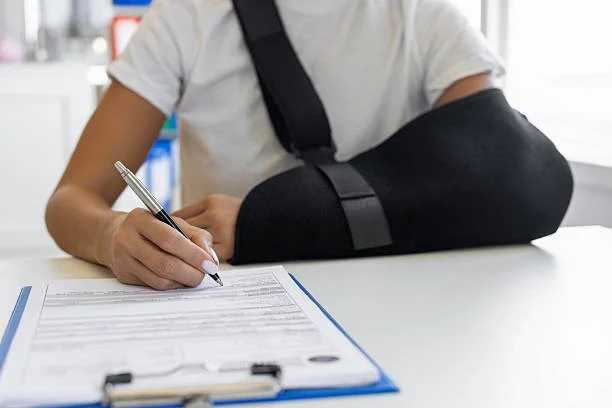
Feeling fine at the gate proves little. Adrenaline and noise can mask pain for hours, and some injuries show up the next morning as a stiff neck or swelling that wasn't there at noon. A clinic visit on the same day catches fractures and strains while treatment changes the outcome, and sprain care runs on the RICE method of rest, ice, compression, and elevation, with pain and swelling easing within 48 hours. Pain that grows instead of easing earns that same-day visit.
The visit also writes the second record of the day. A chart that names the festival, the fall, and the hour connects the injury to the event in a way a visit three days later cannot, and clinicians ask about the cause because treatment and paperwork both depend on the answer.
Save the Small Things From the Day
Paper and plastic outlast memory. The wristband, the ticket or booking email, the medic's paperwork, and messages with companions all carry dates and times that anchor the day. Photographs of the shoes worn, the torn clothing, and the injury itself belong in the same folder. Receipts from a pharmacy, a taxi home, or a clinic visit belong there, since costs form part of the account.
A short timeline written that evening holds the rest: arrival, the injury, the station visit, the report, the trip home. Stored together, those small things turn a confusing afternoon into a clear account, ready for any question that arrives later.