
Joshua Beamish Brings Professional Ballet Home to Vancouver
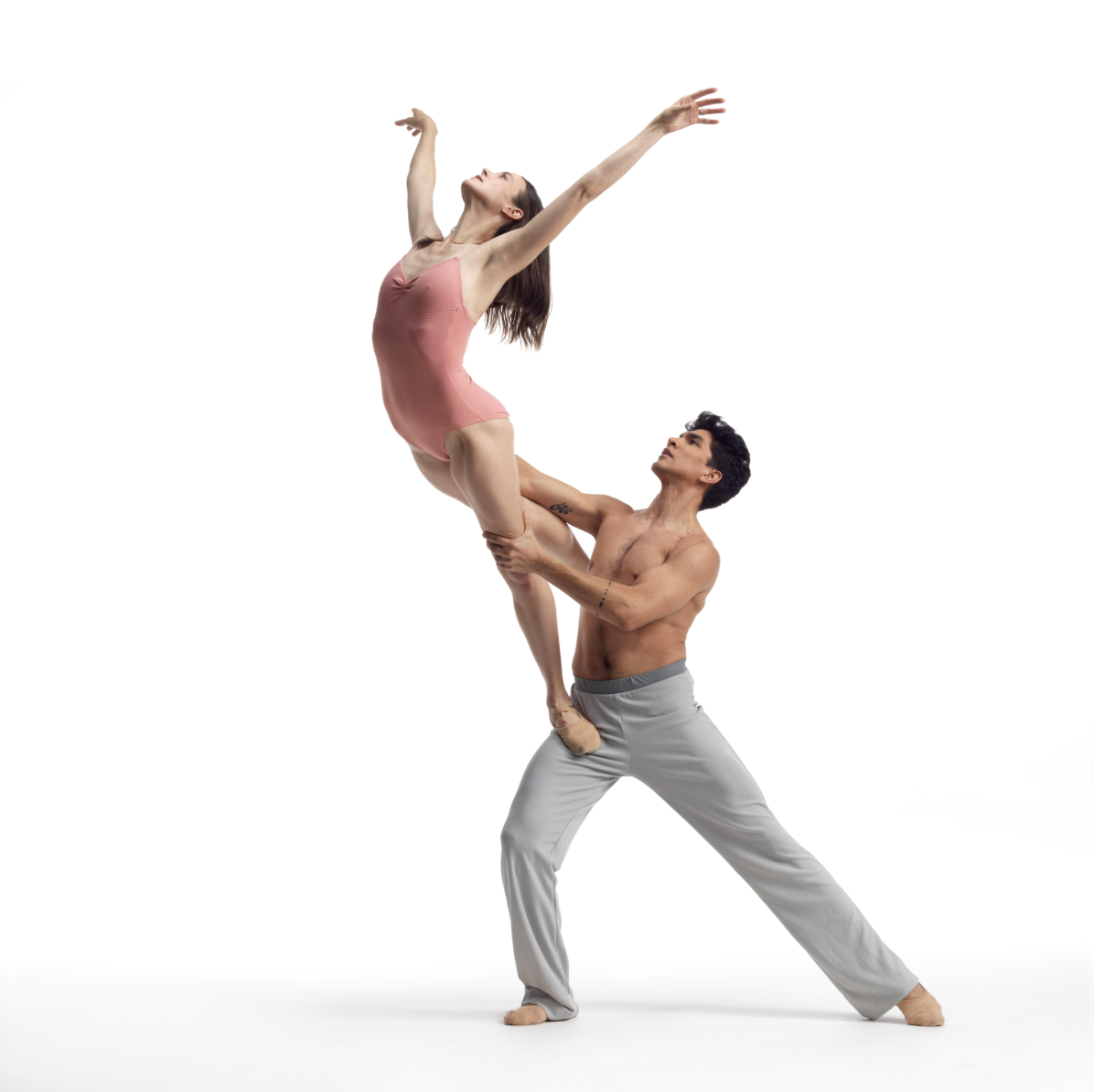
Photo by David Cooper
Vancouver has long been a powerhouse of dance talent, yet local artists often had to seek professional stages elsewhere to find a permanent home. Ballet Vancouver changes that narrative. As the city’s first professional ballet company, it arrives with a mission to keep world-class talent on local soil while expanding the boundaries of the classical form.
The company makes its debut with After the Rain & Other Works, running April 23–25 at the Vancouver Playhouse. This inaugural program features a staggering lineup of dancers from the American Ballet Theatre alongside premier Canadian artists. The repertoire includes the Vancouver premiere of Christopher Wheeldon’s After the Rain and a significant new world premiere—a collaboration between Artistic Director Joshua Beamish, Gitxsan fashion designer Yolonda Skelton, and Cree composer Cris Derksen.
In this interview, Laura Murray, Founding Partner, sits down with Joshua Beamish to discuss the inception of Ballet Vancouver. As a gay man leading this new cultural pillar, Beamish shares his vision for an artistic home that reflects the ambition of our city and the diverse voices within the 2SLGBTQiA+ community.
Ballet Vancouver is the city's first professional ballet company — a remarkable milestone for a city with such a rich dance culture. What does it mean to you personally to be the one to bring this company to life, and why now?
It’s actually not accurate to refer to us as “the city's first professional ballet company” but we are the only organization committed to revitalizing consistent public access to professional classical, neoclassical and contemporary ballet en pointe and narrative ballet productions. Other local organizations have previously presented, and currently present, professional ballet in our city but it has been a very long time since our city had a company dedicated to presenting this type of work as a primary focus.
There has been a clear public desire to experience this type of work. Vancouver is probably the largest North American city to not have a professional company that produces and creates ballet en pointe. The “why now?” is clear, as we may be the only major city that can factually say that it is underserved when it comes to traditional presentations of ballet, until now.
Personally, it is exciting to be at the helm of this movement but as “Ballet Vancouver” our work is less about me than when I was leading a single choreographer driven company. Ballet Vancouver presents the works of numerous artists and while I am curating our seasons and creating some of the work, there is a full team of individuals invested in bringing this vision to life.
The inaugural program feels deeply rooted in Vancouver's identity — from works that premiered here to a world premiere co-created with a Gitxsan Indigenous designer. How intentional was that decision, and what does it say about the kind of company Ballet Vancouver aspires to be?
This was entirely intentional. If a ballet company is going to begin its journey on unceded lands, the organization should engage with Indigenous values of land-based listening and learning to shape its approach. I’m excited by the notion of ballets that could only be made here.
We aspire to genuinely reflect and celebrate the place in which we exist, and the various peoples who form our collective community. Our Board President is of The Stó:lō Nation. I grew up in BC and formed my relationship to dance here. I’ve invested in our local youth throughout my career and I look forward to having the opportunity to create more professional opportunities for BC dancers and creators.
After the Rain by Christopher Wheeldon is widely celebrated for its intimate portrayal of love and vulnerability. What drew you to this work as the opening piece of Ballet Vancouver's very first program?
Christopher Wheeldon was an early mentor of mine. I’d seen the widely-known central duet in ‘After the Rain’ numerous times live and always found it incredibly moving. The fast-paced, first movement en pointe is very different and rarely performed. I love the duality that the collective composition offers audiences. The work is a perfect match for our scale and I was compelled by the notion of presenting a part of the ballet that today’s audiences rarely see.
Annabelle Lopez Ochoa's Redemption — a work you yourself originated — explores solitude and penance through the journey of a fallen angel. What does it mean to bring that work back, and what does it continue to mean to you as an artist?
Creating a solo work with a choreographer is a very special experience. As my career has been more centred around creating than dancing other creators’ works, this was one of the rare instances where I was delivering someone else’s vision. There’s great responsibility in this exchange but I loved every moment of creating with Annabelle. She’s one of the most widely performed choreographers worldwide. To have had this intimate time with her is something that I truly cherish.
It has been equally compelling to then have the opportunity to transfer this knowledge and experience to the next generation of performers. I loved seeing the performers grow within this work and to witness how Annabelle has shaped it to their unique approaches.
Winterbourne, your world premiere collaboration with Gitxsan Indigenous fashion designer Yolonda Skelton, imagines a version of ballet that could only be created here, on these lands. Can you speak to what genuine collaboration between ballet and Indigenous values looks like in practice?
Our process was rooted in reciprocity, while actively questioning colonial defaults. I immediately noticed my adherence to linear structures and invited circularity into the process. This ballet grew out of engaging with Yolonda’s designs and Cris Derksen’s music. This movement could only be generated because of its connection to the Indigenous creative perspectives working inside of the colonial forms of fashion and classical music.
Yolonda and I also invited the voices of our collaborators and performers into the process in a way that ballet might typically not. As we have four Indigenous performers in the work, I had much to learn from each of them about their own unique relationships to their respective cultures, and how that has shaped their journeys within ballet.
As a queer artist leading Vancouver's first professional ballet company, how important is it to you that the stories told on this stage reflect the full breadth of human experience — including queer experience?
Reflecting the full breadth of human experience is a primary value of our company, and of mine as a queer organizational leader. While ‘After the Rain’ depicts traditional male-female relationships, the ballet’s creator represents the queer community. Because ‘Redemption’ was created on me, I feel that queer audiences will be able to see themselves within the depiction of a struggle for acceptance. ‘Swan’, also created by a queer artist, offers both a male dying swan, and two male dancers partnering together “en pointe” by wearing special type of ballet sneaker. Wen Wei has an entirely unique way of inviting queer imagery and narratives into his work that always surprises and intrigues me. ‘Winterbourne’, my co-creation with Yolonda, also plays with gender norms in ballet, such as the men wearing long tutus in one section. Another section set to Cris Derksen’s ‘Treaties’ parallels an intimate relationship between two men with broader themes of boundaries, borders and the negotiations inherent in shared habitation.
Ballet Vancouver was founded in part on the belief that the exceptional talent this city produces should no longer have to leave to find a stage worthy of them. How does that conviction shape the way you are building this company?
This belief is specific to classical ballet as Vancouver has long had dance stages worthy of exceptional talent. That noted, we are very committed to developing and supporting local and Canadian talent, across the organization. In this program, nine of the fourteen performers are Canadian and many of them are from Vancouver or BC. I’m from BC, as is our Board President. Our first program presents works by three Vancouver-based creative leads. We’re also committed to bringing back celebrated Vancouver artists, who moved away to have their careers and have rarely performed at home. In this program, those dancers include former San Francisco Ballet Principal Benjamin Freemantle, who trained at Caulfield School of Dance, and current American Ballet Theatre Soloist Patrick Frenette, who trained at Goh Ballet.
What do you hope Vancouver — and in particular Vancouver's queer community — takes away from this inaugural program?
I hope Vancouver audiences leave our inaugural program excited by the virtuosic possibility inherent in ballet and by our creative vision for the company. These dancers are truly incredible. I’m certain that local audiences will be in awe of their talent and depth of artistry.
I hope that queer audiences feel represented within the works and leave compelled to return. My work has centered on queer stories since I started choreographing over twenty years ago. As I turn my focus to Ballet Vancouver, I carry this value with me as we open doors for new stories to be told within ballet.