
Queer Social Life in BC Now Moves Between Real Spaces and Digital Ones
A night out in British Columbia can move from a drag bar to a hockey stream to somebody arguing over event plans in a group chat before midnight. Entertainment culture changed fast during the past few years, though queer communities adapted quicker than most because social life already lived halfway online.
Friday night in Vancouver can start at a drag show on Davie, drift into somebody’s apartment for a takeaway and wine, then end with half the group scrolling events for the weekend while somebody else argues about the Canucks in the corner. A lot of social life in BC works like that now: physical spaces still pull people together, though phones, streaming, gaming, and online communities sit in the middle of it all whether anybody notices or not.
Community Spaces Extend Beyond the Venue
Watching hockey used to mean sitting in front of one television at a fixed time every week. Now somebody streams the game from a phone on the SkyTrain, another person watches clips on TikTok an hour later, and group chats run alongside the broadcast all evening.
Entertainment habits in Canada changed fast once streaming became normal daily behaviour.
Sports companies noticed immediately. Rogers signed a new 12-year NHL media rights agreement worth C$11 billion, locking in streaming and digital broadcasting rights across Canada. Hockey still pulls huge audiences together, though plenty of those audiences now gather online before they meet in person later that night.
Queer spaces moved in a similar direction. Nights out still revolve around bars, clubs, Pride events, and community venues, though much of the planning happens digitally first.
Somebody shares the location, somebody posts the lineup, and another friend starts assembling a crowd before anybody leaves home. The social space starts online long before the first drink lands on the table.
Digital Entertainment Became Everyday Culture
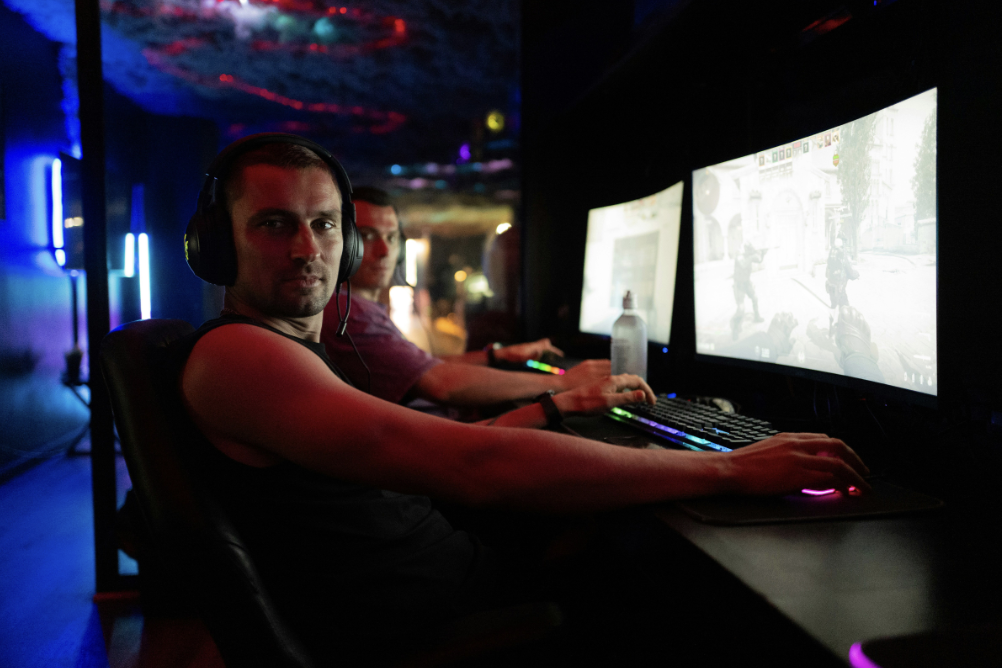
Gaming culture stopped sitting on the fringes years ago. Plenty of people still picture teenage boys screaming into headsets, though Canada’s gaming audience looks very different now. Women made up 24.5% of the country’s video game workforce by 2021, up from 17.8% in 2013. Smaller independent studios also helped push major growth inside the industry during the same period.
British Columbia sits right in the middle of that culture. Vancouver already supports a huge digital entertainment scene through gaming studios, streaming culture, visual effects companies, and online creative communities. Casual gaming also blends naturally into queer social circles because plenty of people already spend part of their downtime online, especially during quieter weeknights when nobody wants another expensive night out downtown.
Mobile entertainment changed the rhythm of social life too. Somebody plays a game while waiting for friends to arrive; somebody else scrolls event pages or streams highlights from the previous night’s hockey game. Digital entertainment no longer sits in a separate category from nightlife or community culture because most people drift between all of it naturally during the same evening.
Entertainment Habits Continue Evolving Across British Columbia
Entertainment platforms now compete for attention the same way bars, clubs, and live venues always have. People compare convenience, atmosphere, accessibility, and the overall experience before committing to anything for the evening. Online entertainment follows the same logic.
People compare online entertainment the same way they compare bars, clubs, or streaming subscriptions now. Nobody wants to waste a Friday night bouncing between bad apps or clunky platforms. As an example, guides on Casino.ca covering online casinos across British Columbia increasingly focus on mobile access, game variety, payment flexibility, and the overall user experience because those details shape whether people stick around or close the app after ten minutes
Digital spaces changed plenty about social life, though nobody seriously believes apps replaced real-world community. Pride season proves that every year. People still want crowded sidewalks, loud music, bad dancing, sweaty bars, and the familiar chaos that comes with large queer gatherings.
Pride 2026 already points toward another packed year for queer events in BC. Most attendees will discover those events online first through shared posts, group chats, or event pages before they arrive in person. That connection between digital organization and physical community now sits at the centre of modern queer nightlife.
Older ideas about online spaces replacing community missed the point entirely. Digital spaces usually act more like an extension of existing friendships and social circles. Somebody still has to pick the venue and convince everybody else to leave the house.
Queer Arts Still Thrive in Hybrid Spaces
Local arts spaces continue pulling people together even with so much entertainment happening online now. Queer film nights, art shows, cabaret events, and live performances still attract strong support across BC because people want shared experiences that cannot happen through a phone screen alone.
The Queer Arts Festival remains one of the clearest examples of that continuing appetite for local creative culture. Digital culture changed the way audiences discover artists and events, though the goal stays the same once everybody arrives: finding spaces where people can relax, connect, and enjoy themselves without turning the evening into another exhausting performance.
Please play responsibly. The 2SLGBTQiA+ community is known to be at higher risk for gambling-related harm due to a range of social and economic factors. If you or someone you know is struggling with gambling, there are support services available in British Columbia. Contact the BC Gambling Support Line at 1-888-795-6111, available 24/7, or visit www.bcresponsiblegambling.ca for confidential help, information, and free counselling