
Budget Adventure Secrets: How to Explore the World Without Breaking the Bank
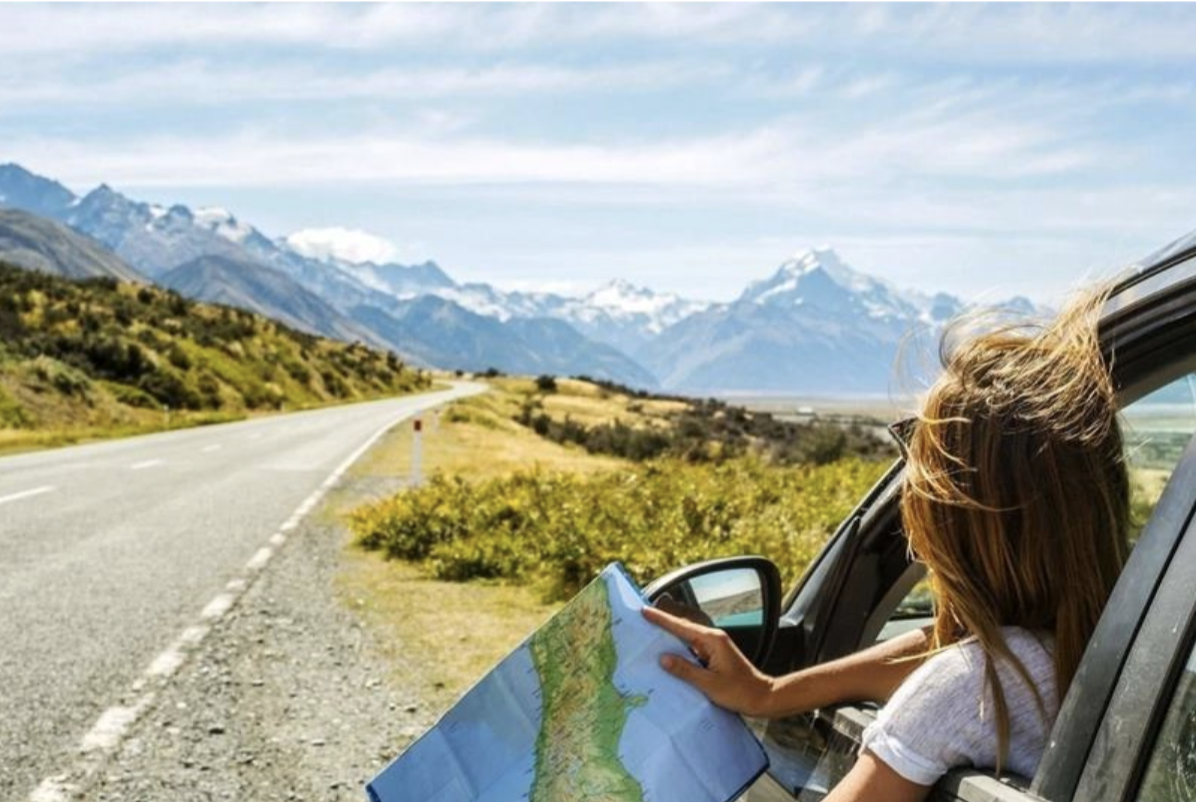
Traveling the world is often viewed as a luxury reserved for the wealthy, but the "price tag" of adventure is largely determined by strategy, not just your bank account. In an era where flights and hotels add up quickly, travelers are discovering creative ways to cut costs without sacrificing the experience. From booking "golden windows" to finding affordable ways to unwind, this guide shares data-driven strategies to help you see the world for less.
1. Master the Booking Calendar
The most significant savings happen before you even pack a bag. Airlines generally release their cheapest seats months in advance, so aim to check flight search sites six to nine months before departure.
The $300 Rule: With proper planning, travelers can find round-trip prices within continents for under $300. For instance, a flight from New York to London can drop to $250 if you book a summer trip as early as January.
Fly Midweek: Tuesdays and Wednesdays offer significantly lower prices than weekends.
Secondary Hubs: Look for smaller airports; flying into London Stansted instead of Heathrow can save you $50–$100 per ticket.
Expedia: One of my personal favourites is to use a service like Expedia which you can ask to send you alerts when a seat price deal comes up.
2. Strategic Budgeting and Entertainment
Travelers often face high costs that limit their plans, but savvy explorers find ways to stay within a strict budget from day one. Divide your funds using a clear hierarchy: 40% for flights, 25% for accommodation, 20% for meals, 10% for attractions, and 5% for extras.
While on the road, your "downward" costs matter too. For a budget-friendly night out that doesn't involve expensive club covers or tourist bars, many travelers turn to digital entertainment. Online casinos, using sites like Choco Spin, offer low-stakes games directly from your phone, allowing you to relax at your hostel or guesthouse without the high price tag of a traditional night on the town.
3. Smart Housing: Beyond the Standard Hotel
Hotels in prime locations charge a premium that can drain your wallet. Instead, opt for alternatives that offer more value:
| Accommodation | Avg. Cost (Per Night) | Best For |
|---|---|---|
| House Sitting | $0 | Long stays & pet lovers |
| Hostels | $10 – $20 | Solo travelers & social vibes |
| Guesthouses | $15 – $30 | Families & local immersion |
| Camping | $10 – $20 | Nature lovers |
Pro Tip: Use house-sitting platforms to connect with homeowners needing pet care. You get a beautiful home for free in exchange for a little responsibility.
4. Eat Like a Local
Restaurants targeting tourists are a major budget drain. To save up to 70% on food, follow the locals.
Market Finds: A week’s worth of groceries costs roughly $30–$50 in most countries. Cook simple meals like rice, vegetables, and eggs in shared hostel kitchens.
Street Food Safety: Look for stalls crowded with locals; high turnover usually means fresh, safe ingredients. In Thailand, a Pad Thai costs $1.50, while Mexico offers authentic tacos for $1.00.
Late in the Day Savings: Visit markets an hour before closing; prices often drop as vendors clear out their inventory to avoid hauling it home.
5. Low-Cost Transit and Exploration
Taxis are the fastest way to blow a budget. Instead, embrace public infrastructure:
Regional Passes: In Europe, passes like Eurail or buses like Flixbus offer cross-country travel for a fraction of the cost of a rental car.
Bike & Scooter Rentals: In cities like Amsterdam, daily rentals are around $10, while apps can unlock electric bikes for $0.20 per minute. One visit to Montreal we were ubering around and it was costing a lot. Then suddenly we noticed the BIKES! duh. Electric and cheap - easy to motor around. In Halifax Nova Scotia we used stand on scooters - although you have to be careful about how and where you drop them to avoid extra fees.
Free Culture: Many world-class museums waive fees on the first Wednesday or Sunday of the month. Always check schedules in advance to catch these windows. Washington DC, for example - all the museums are free.
6. Security and Financial Health
Travel Health Insurance is a must. You can get this through your bank, any insurance agency, or major health insurance providers. In Canada I use BCAA / Manulife. Always set aside an emergency budget of 10% of your total funds for unexpected costs. To avoid unnecessary fees, use a fee-free travel card and withdraw larger amounts of cash at once to minimize ATM surcharges. Finally, download offline maps to navigate safely without incurring roaming data charges.
Please play responsibly. The 2SLGBTQiA+ community is known to be at higher risk for gambling-related harm due to a range of social and economic factors. If you or someone you know is struggling with gambling, there are support services available in British Columbia. Contact the BC Gambling Support Line at 1-888-795-6111, available 24/7, or visit www.bcresponsiblegambling.ca for confidential help, information, and free counselling.