
Cybersecurity for the Soul: Protecting Queer DigitalSpaces
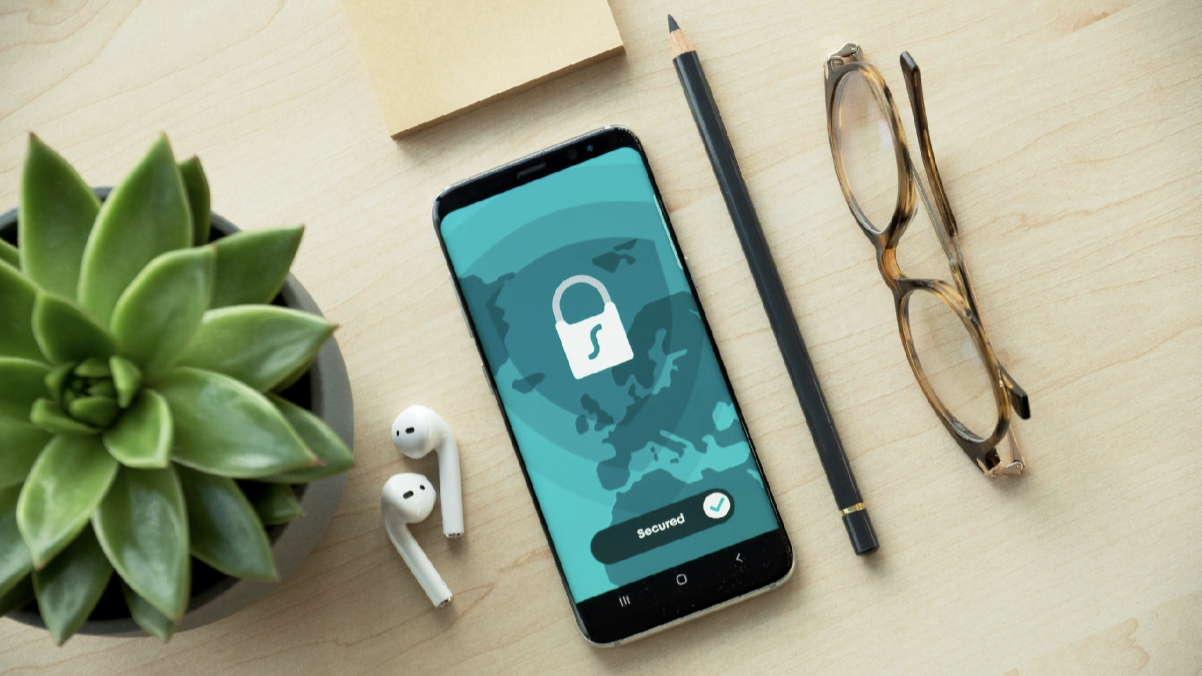
Queer spaces have always been a unique agitation for the LGBTQ+ community due to factors like a sense of belonging and safety. Historically, these gatherings have been physical, but the shift to a digital world has necessitated recreating them online.
However, new risks follow online presence, as unscrupulous persons can also take advantage of them to gain access to members of the queer community. The platforms and their users must ensure it remains secure while maintaining dignity and trust.
Learning about Online Safety on Community and Entertainment Sites
This is by no means a trivial matter, but with many complex issues, the first step is usually the most important. To this end, choosing safe platforms remains the first step to staying safe online.
There are several independent resources online that help users find sites that meet standards, especially in regulated sectors where safety and payment are important. Navigating the web safely means knowing which sites are vetted by experts. For example, when it comes to regulated industries, resources like The gate’s guide to Ontario casinos help users identify which platforms meet strict provincial standards.
Users should go the extra mile by reading the privacy policies and making sure that secure encryption is in place before joining a discussion forum, streaming content, or signing up for a new app.
Also, as a rule of thumb, secure websites prioritise strong security practices, so sites that use HTTPS and have clear data policies should be the go-to. Many platforms do allow users to control who can see posts, contact them directly, or view personal information, and these settings can be adjusted personally to provide an additional layer of protection.
Privacy Tools that Make Digital Protection Stronger
Cybersecurity technology has been improving to match the changing tech space and its new risks. So, there are several tools that can help keep your online privacy safe.
People often use virtual private networks (VPNs) (especially on public Wi-Fi networks), encrypted messaging services, and browsers that focus on privacy to limit their digital exposure. When choosing privacy tools, choosing transparency over claimed utility is advisable.
Some privacy apps and VPNs to consider:
● Signal: a messaging app with end-to-end encryption so no one can intercept your messages, calls, or videos.
● Tor Browser: hides a user’s identity and browsing activity by routing internet traffic through several nodes.
● Guardian Firewall: stops trackers from getting into apps and websites plus added VPN coverage.
● Mullvad VPN: privacy-focused VPN that lets you make an account without demanding a real name or collecting lots of personal information.
● NordVPN: popular VPN with cool features like double VPN routing, which alternatively hides your address or destination.
● ExpressVPN: rapid, secure connections and global servers.
● Surfshark: connect multiple devices as you want, plus extra privacy from its tracker blocking.
Providers should disclose if they keep user logs, how they are stored, and who can access them. Do well to check independent audits and transparency reports that are available to the public to be more assured. For instance, the Canadian Centre for Cyber Security offers useful tips on how to stay safe online, evaluating digital threats and improving your own safety measures.
Platforms’ Accountability and Responsibility to the Community
There is a limit to what a single individual can achieve when it comes to cybersecurity. It is also the responsibility of platforms that host LGBTQ+ communities to keep their spaces respectful. There must be clear rules for moderation, accessible ways to report an issue, and quick responses from support teams, as every second counts online.
Together with the users, the platform can be kept secure, especially from harassment and impersonation, which remain common dangers on the internet. To achieve this, users must be careful and report any violation of community rules and anything that looks out of place, such as messages or links not requested for, even if they come from accounts that seem familiar.
Community groups and publishers are also important in educating users correctly about how to stay safe online. Many users’ first encounters with safety discussions and new updates are usually on these groups.
Finding the Right Balance between Protection and Visibility
Online platforms give people a place to be creative, speak out, and tell stories together. The urge to be seen may sometimes overwhelm the rationale of security, but still a delicate boundary must be sought. Keeping personal and public profiles separate can help keep you from being seen by people you do not want to see.
Geolocation tags should be limited, passwords updated periodically, and login activity logs reviewed at intervals to spot unauthorized access on time. While many services notify users of suspicious login activity, the alert systems must first be activated.
Making Digital Spaces Safer for Queer People
Ultimately, to protect queer digital spaces, users must use technology safely and take group responsibility. Start with using trustworthy platforms, safe browsing tools, and being up-to-date. Then take advantage of government guidance, independent oversight resources, and community reporting systems.
Keeping online spaces safe is a never-ending job. However, remembering it is about autonomy and trust and not restrictions makes it easier.
Please play responsibly. The 2SLGBTQiA+ community is known to be at higher risk for gambling-related harm due to a range of social and economic factors. If you or someone you know is struggling with gambling, there are support services available in British Columbia. Contact the BC Gambling Support Line at 1-888-795-6111, available 24/7, or visit www.bcresponsiblegambling.ca for confidential help, information, and free counselling.