Community, Culture, and Events: How Local Platforms Connect the LGBTQ+ Community

Local information platforms play an important role in connecting people who share common interests, identities, and cultural experiences. Within the LGBTQ+ community, these platforms often serve as communication hubs where individuals find information about events, support groups, cultural initiatives, and social activities. They help people stay informed about what happens in their cities and create opportunities for interaction that may not occur otherwise.
Many people now discover community activities through digital spaces before they attend events in person. Event listings, discussion boards, and social calendars often guide the process. During online conversations, participants sometimes mention other digital entertainment spaces as well. For example, users occasionally reference leisure sites such as https://luckycaponecasino.net when discussing how they spend time online after reading about community activities. These references illustrate how digital habits mix social communication with entertainment.
The main role of local community platforms remains simple: they collect information, distribute updates, and help individuals stay connected to cultural life.
The Role of Local Platforms in Community Communication
Local platforms help communities exchange information quickly. LGBTQ+ organizations, artists, volunteers, and event organizers use these spaces to share updates about gatherings, cultural programs, and educational discussions.
Without centralized information sources, many people would struggle to discover these activities. Posters on physical bulletin boards still exist, but digital tools reach wider audiences and remain accessible at any time.
Local platforms support communication through several basic functions:
publishing event calendars
sharing announcements from community groups
highlighting cultural programs and performances
posting volunteer and participation opportunities
These functions help maintain communication between individuals who may not interact regularly in physical spaces.
Community members check these platforms to stay informed about what happens in their region. This process helps strengthen social ties over time.
Why Community Events Matter
Events provide a physical space where individuals meet, exchange ideas, and share experiences. For LGBTQ+ communities, gatherings often carry additional meaning because they create environments where participants feel comfortable expressing identity.
Local platforms help increase attendance at these events by spreading information across digital networks.
Typical LGBTQ+ community events include:
film screenings focused on queer stories
educational workshops on social topics
cultural festivals celebrating identity and art
public discussions about community history
These activities help maintain cultural visibility within cities and towns.
Event organizers rely on digital platforms to announce schedules and location details. Without clear communication channels, many potential participants would remain unaware of these gatherings.
Cultural Expression Through Community Platforms
Culture plays a central role in community life. Local platforms often highlight artists, performers, writers, and filmmakers who contribute to LGBTQ+ cultural expression.
These platforms support cultural activity in several ways:
publishing interviews with creators
promoting performances and exhibitions
sharing articles about community history
listing upcoming cultural gatherings
Cultural events strengthen the sense of shared identity within the community. They also create opportunities for collaboration between artists and organizers.
Digital platforms allow people to learn about these activities long before they take place. Early awareness helps participants plan attendance and invite friends.
Digital Spaces and Social Interaction
Online platforms allow community members to communicate beyond physical events. Discussions continue after gatherings end, and participants often exchange impressions or feedback.
Digital interaction supports several forms of communication:
discussion threads about upcoming events
shared photos from previous gatherings
announcements about volunteer projects
requests for community support during initiatives
These conversations help individuals stay connected even when they cannot attend events in person.
Digital communication therefore extends the reach of community activities. Participants can remain involved regardless of physical distance within the region.
Types of Information Shared on Local Platforms
Community platforms usually combine different categories of information. A typical platform includes a mixture of event listings, articles, and announcements.
The table below summarizes common content categories.
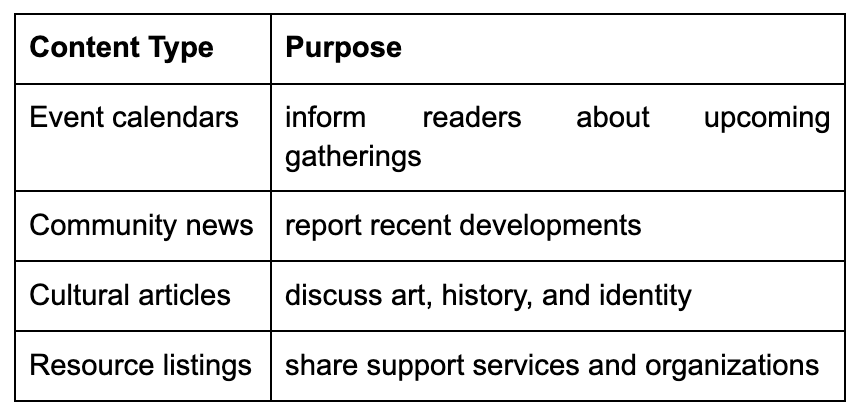
Each category contributes to the broader goal of community connection. Together they form an information network that supports social interaction.
Readers often visit these platforms regularly because new updates appear frequently.
Accessibility and Inclusion
Accessibility remains an important factor in community communication. Digital platforms help reach individuals who may not feel comfortable attending events immediately. Some people prefer to learn about the community gradually before participating in social gatherings.
Online information sources allow them to explore topics privately.
Local platforms also help individuals who live outside major city centers. Travel distance sometimes limits participation in events. Digital communication helps bridge that gap by delivering updates regardless of location.
Several accessibility features improve the usefulness of these platforms:
clear event descriptions
simple navigation menus
mobile-friendly layouts
easy access to contact information
These features help users locate relevant information quickly.
Community Organization and Volunteer Activity
Many LGBTQ+ initiatives rely on volunteer work. Local platforms often help recruit participants who wish to contribute time and effort to community projects.
Volunteers assist with several types of activities:
organizing public events
assisting with educational programs
supporting community outreach initiatives
helping manage cultural exhibitions
Without volunteer support, many events would require significantly more resources to operate.
Digital platforms simplify volunteer recruitment by posting clear descriptions of responsibilities and schedules.
People interested in contributing can contact organizers directly through listed channels.
Local Media and Community Visibility
Local platforms function as informal media outlets for LGBTQ+ communities. They document social activities, publish interviews, and share reports from events.
This visibility helps preserve community history. Articles and announcements form a record of cultural development within the region.
Community media often cover topics such as:
local art exhibitions
theater performances
pride-related events
educational seminars
Readers gain a clearer picture of community life through these reports.
Public documentation also encourages participation. When individuals see evidence of active cultural programs, they often feel more motivated to attend future events.
The Impact of Event Calendars
Event calendars remain one of the most practical tools offered by community platforms. They collect dates, locations, and descriptions in a single location.
Without centralized listings, individuals would need to search multiple sources to discover events.
Event calendars typically include:
date and time of the gathering
venue location
type of activity
ticket or participation details
Organizers update these calendars frequently because schedules often change.
Participants rely on this information to coordinate attendance with friends or local groups.
Community Support Networks
Local platforms also help maintain support networks within the LGBTQ+ community. In addition to cultural events, they often share resources related to social support and education.
These resources may include:
counseling services
health information sessions
community discussion groups
legal information workshops
Access to these resources strengthens community resilience. Individuals who seek support can locate relevant information without extensive searching.
Digital communication simplifies this process by placing resources within reach of anyone with internet access.
The Relationship Between Online and Offline Community Life
Community life often develops through a combination of digital communication and physical interaction. Local platforms help initiate conversations, but real-world events strengthen personal connections.
This relationship functions in a continuous cycle:
organizers publish announcements online
community members learn about events
participants attend gatherings
attendees share experiences through digital discussions
Each step reinforces the next.
Online spaces allow individuals to discover activities. Physical events transform those discoveries into direct social interaction.
Challenges in Maintaining Community Platforms
Despite their importance, local platforms face several practical challenges. Maintaining consistent updates requires time and effort. Volunteers or editors often manage these responsibilities alongside other commitments.
Common challenges include:
maintaining accurate event listings
encouraging organizations to share updates
moderating online discussions respectfully
ensuring long-term sustainability of the platform
Community participation plays a key role in overcoming these difficulties. When individuals submit event information and share updates, the platform remains active and useful.
The Continuing Importance of Community Platforms
Digital communication continues to influence how communities organize events and exchange information. Local platforms remain central to this process.
They help people:
discover cultural activities
connect with organizations
participate in volunteer initiatives
learn about community history
These functions support both social interaction and cultural expression.
As long as communities continue to organize gatherings and cultural programs, they will require accessible channels for communication.
Conclusion
Local platforms connect the LGBTQ+ community through information, cultural expression, and event coordination. They function as communication hubs where individuals find details about gatherings, resources, and social initiatives.
Digital spaces support community interaction before and after events. Event calendars, articles, and announcements help people stay informed about what happens in their region. At the same time, physical gatherings transform online information into real-world connections.
Community culture develops through this constant exchange. Platforms collect information, share updates, and help individuals locate spaces where they can participate in cultural life.
By maintaining accessible communication channels, these platforms strengthen the social networks that support LGBTQ+ communities at the local level.
Please play responsibly. The 2SLGBTQiA+ community is known to be at higher risk for gambling-related harm due to a range of social and economic factors. If you or someone you know is struggling with gambling, there are support services available in British Columbia. Contact the BC Gambling Support Line at 1-888-795-6111, available 24/7, or visit www.bcresponsiblegambling.ca for confidential help, information, and free counselling.