
Pickleball injury prevention for Vancouver and beyond: move better, play longer
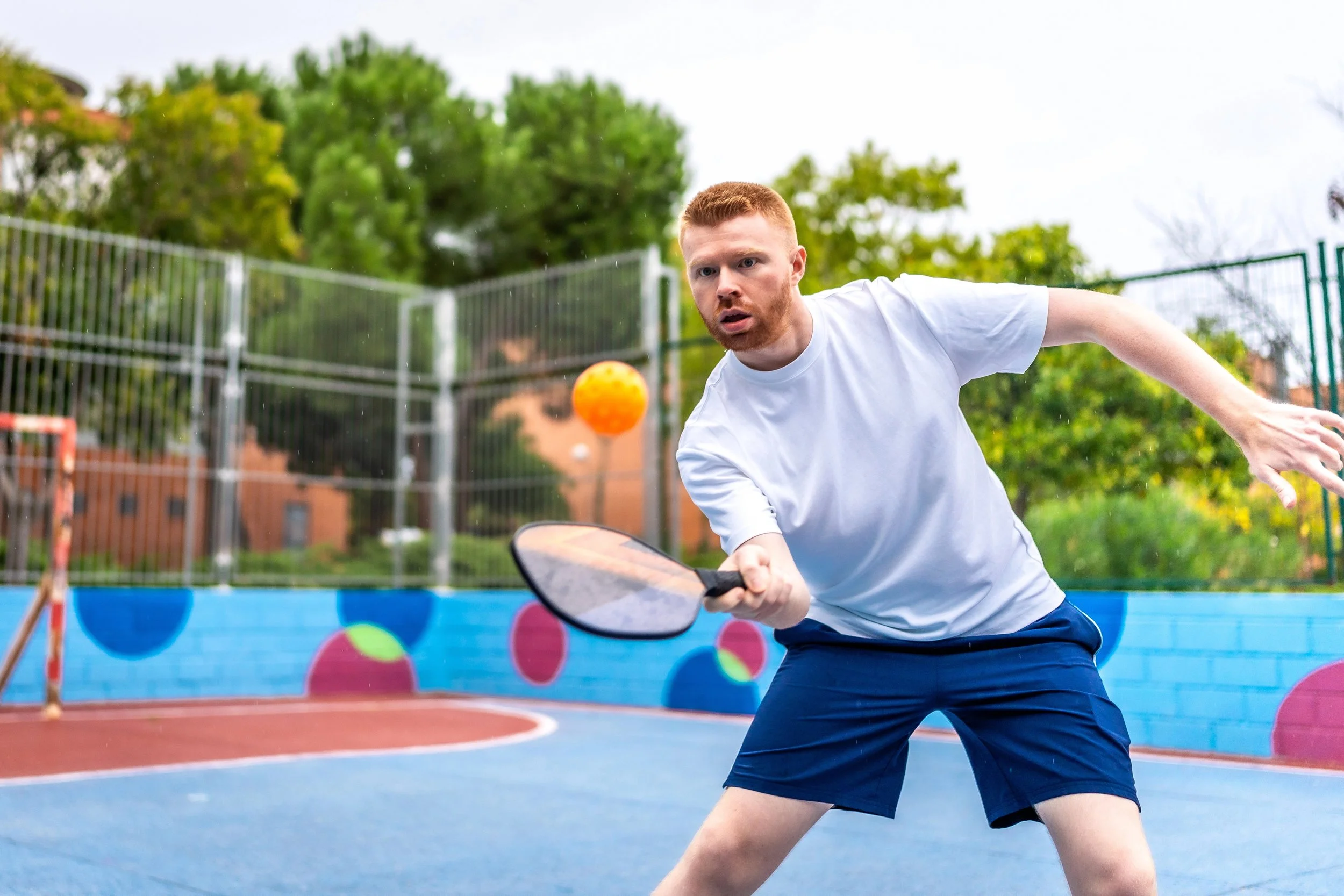
Pickleball is one of those rare sports where you can show up solo, get folded into a game fast, and leave with new friends. For a lot of 2SLGBTQiA+ folks across BC, that mix of low barrier and social energy is the point. The downside is that “easy to start” can also mean “easy to overdo,” especially when you’re squeezing in games between work, drag brunch, and whatever you just spotted on the What’s On Queer BC events calendar.
This is a practical guide to staying off the injury list without killing your vibe. No scare tactics, just the stuff that holds up in coaching: how to warm up for what pickleball actually asks of your body, how to move on a small court without torquing your knees, and how to protect the shoulder and elbow that take the most repetitive load.
Why pickleball bites: small court, big demands
The court is compact at 20 by 44 feet, but the movements are sharp. You accelerate, stop, and change direction in two steps. You also spend a lot of time in a semi-squat, reaching into the non-volley zone and then popping back out. That’s a recipe for irritated knees and Achilles tendons if you’re tight through the ankles and hips.
Upper body injuries creep in because you repeat the same swing patterns with a relatively rigid paddle. Typical paddles sit around 7 to 8.5 ounces, which is light, but the repetition adds up fast if your grip is too tight or your wrist does the work your legs and trunk should be doing.
In BC, add real-world factors: slick outdoor courts after mist, busy indoor gym floors with mixed-use lines, and the temptation to play “one more game” because you finally found a fun group.
Warm-up for pickleball, not for “exercise”
If you only have time for one change, make it this: warm up to raise temperature and rehearse the exact patterns you’ll use. Five to eight minutes is enough if it’s specific.
Start with easy lateral shuffles, two sets of about 20 seconds each direction, then add short forward-to-back steps like you’re moving in and out of the kitchen line. Finish with shoulder circles and a few slow, smooth shadow swings where you exhale and keep the wrist quiet.
If you want your warm-up and movement patterns checked in a way that’s supportive and goals-based, book a Pickleball Coach.
One more key detail: do a couple of gentle practice serves before your first real game. Serving cold is a common way players spike shoulder and elbow strain because you’re asking for speed before your tissues are ready.
Footwork that protects knees and ankles on fast points
Use “small steps” as your default
Most awkward tweaks happen when someone plants hard and reaches. Instead, take two quick adjustment steps as the ball travels. You’ll feel less dramatic, but you’ll be in balance more often, and you’ll stop overreaching into the kitchen.
Brake with your hips, not your knee
When you stop, think “hips back, chest tall.” That shifts load toward glutes and away from the front of the knee. You’re still bending, just distributing force better. If your heels pop up and your knees shoot forward, you’re likely to feel it after a long session.
Pick shoes for grip and stability
Running shoes are built for straight lines and can feel unstable when you cut sideways. Court shoes, or tennis shoes, are designed for lateral movement and usually reduce that “rolling” feeling. If you play both indoor and outdoor, pay attention to traction: too little grip means slips, too much grip on sticky floors can increase twisting forces.
Shoulder and elbow: stop muscling the ball
If your shoulder gets cranky, it’s often because your swing is all arm. On drives and put-aways, rotate from your trunk and let the arm come along. Your paddle path should feel connected to your ribs, not flicked from the wrist.
For elbow irritation, loosen your grip. A simple check: you should be able to wiggle your fingers between points without feeling like the paddle will fly away. Tight gripping plus lots of dinks and resets is a common combo for sore forearms.
Also watch your backhand. Players who “poke” with a stiff wrist tend to complain later. Keep the wrist neutral and push from the shoulder blade and forearm as a unit.
Falls and collisions in doubles: a communication upgrade
Doubles is social, but it’s also where people bump into each other. A small communication habit can prevent a lot of bruises: call “mine” early, not as you swing. If it’s a middle ball, decide before it drops. Your partner needs time to peel off safely.
If you’re playing with new people, set a quick expectation in a friendly way: who tends to take the middle, and whether lobs get called. That kind of clear, community-first communication fits right in with the way What’s On Queer BC connects folks through listings, the poster wall, and shared local happenings.
Make it sustainable: volume, recovery, and community
The fastest path to injury is a sudden jump in volume: one casual night turns into four long sessions a week because you finally found your people. Build up gradually, and give yourself at least a day between harder sessions if you’re getting new aches.
Cool down doesn’t need to be a production, but take two minutes to walk, breathe, and let your heart rate settle before you jump in the car or head to the next event. If something feels sharp, unstable, or keeps returning, get it checked. The goal is to keep you playing and connected, whether you found your next game through a community centre board, a friend’s invite, or the What’s On Queer BC resources directory and local networks.