
Sleep Engineering for Queer BC Nights: How to Recover Like You Mean It (Without Quitting the Dance Floor)
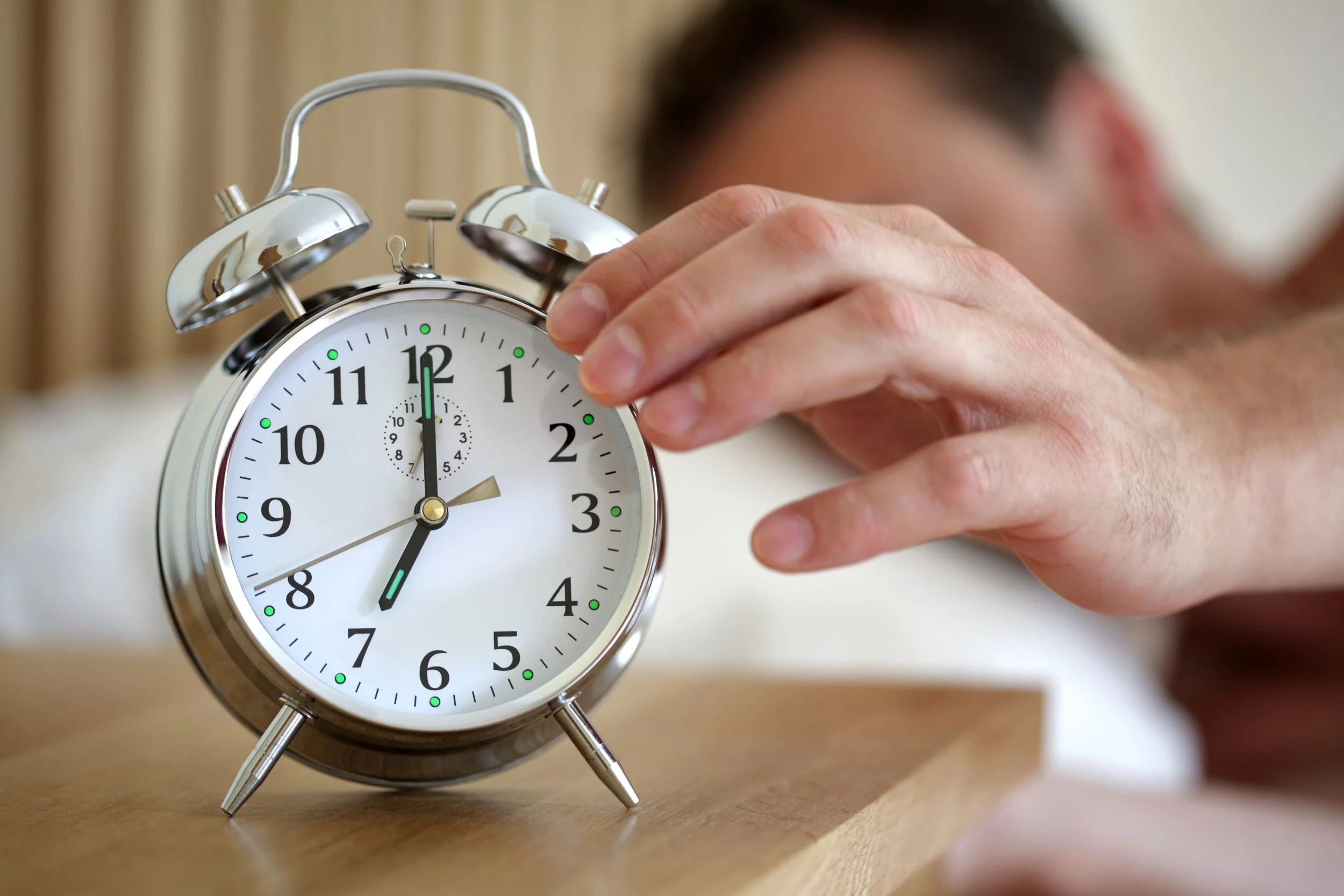
If you use What’s On Queer BC the way most of us do, you already know the pattern: a Thursday gallery opening, a Friday drag show, a Saturday dance night, and then a Sunday “soft landing” that somehow ends at another patio. Community is medicine, but a packed cultural calendar can quietly turn your sleep into a rotating shift schedule.
Sleep is not just “rest.” It is your highest-leverage longevity tool for metabolic control, immune function, mood stability, and injury repair. Most adults do best with at least 7 hours per night, yet about one in three adults report getting less than that on a regular basis. When sleep gets squeezed, the costs show up fast: hungrier appetite signals, weaker training output, foggier attention, and slower recovery from stress.
You do not need perfect sleep to get meaningful benefits. You need a repeatable system that works when your real life includes Pride programming, late-night transit, and the kind of chosen-family connection that keeps you out past midnight for all the right reasons.
Why late nights hit harder than we think
Weekend sleep loss is not only about fewer hours. The bigger problem is circadian misalignment: your brain thinks it is still “daytime” because you are under bright venue lights, looking at phone screens, and riding home under streetlights. Add alcohol, late meals, or an adrenaline spike from performing, and your nervous system stays in “on” mode long after you get home.
This matters for healthspan because circadian disruption pushes against glucose regulation, blood pressure rhythms, and deep sleep quality. If you want the fun parts of nightlife without the Monday crash, the goal is to protect two things: total sleep time across the week and consistency of your wake time.
The minimum viable protocol for nightlife-heavy weeks
You do not need a 12-step routine. You need a few non-negotiables that survive real schedules in Vancouver, Victoria, Kelowna, Prince George, and everywhere in between.
1) Keep a stable wake time, then flex bedtime
If you can only control one variable, control your wake time within a 60 to 90 minute window, even after a late night. Sleeping in for hours feels good short-term, but it often delays the next night’s sleep and creates a mini jet lag cycle. If you are short on sleep, use a nap instead of a huge sleep-in.
A practical approach is a 20 to 30 minute early afternoon nap, not a long late-day crash. Keep it earlier so it does not steal sleep pressure from the night.
2) Use light like a performance tool
Light is the main dial on your body clock. Get outdoor light exposure earlier in the day, even if it is cloudy. Then treat late-night light as something you actively manage.
On nights out, minimize bright screen time during the last hour before bed when possible. On the ride home, keep your phone dim. When you get home, make your lighting warm and low. If you live with roommates or family, a small lamp beats blasting overheads.
3) Build a “home in 15 minutes” decompression
For many of us, the barrier is not knowledge, it is transition. You go from bass and bodies to silence and suddenly your brain is replaying every conversation. Give yourself a short, repeatable downshift: quick shower, hydrate, light snack if needed, and two to five minutes of slow nasal breathing. You are telling your nervous system that the night is over.
If you are also juggling training or rehab, remember that recovery is a stack: sleep first, then nutrition, then targeted supports. Some people exploring tendon or gut repair will choose peptide protocols too, and if that is you, do your homework and source carefully if you decide to buy BPC-157 online.
4) Protect your sleep environment like it’s a resource
For city living, the basics are not aesthetic, they are physiological. A cool room supports deeper sleep. Dark matters. Noise matters. If you are near late-night traffic or post-show chatter, think in terms of reducing peaks, not eliminating sound entirely. A simple fan or consistent low noise can smooth disruptions.
Resetting after big weekends (Pride, festivals, and stacked social plans)
A Pride weekend is basically an endurance event, even if you never set foot in a gym. The mistake is trying to “catch up” with one giant sleep. Sleep does not fully bank that way.
Instead, use a two-day reset. Day one: keep wake time reasonable, get outdoor light early, hydrate, and eat protein forward meals. Night one: go to bed when sleepy, not when the clock says you should. Day two: repeat the early light and normal wake time, then aim for a slightly earlier bedtime.
Caffeine helps, but timing is the difference between “useful” and “self-sabotage.” If you are sensitive, treat caffeine like a morning tool, not an afternoon rescue. Late caffeine can leave you tired but wired, which is the worst combo for deep sleep.
When sleep struggles are more than schedule
If you are consistently struggling with insomnia, loud snoring, waking up gasping, or daytime sleepiness that feels unsafe, it is worth seeking medical support. Sleep apnea and chronic insomnia are common and treatable, and getting help is not a personal failure. For queer and trans folks, it can also be a chance to find affirming care that takes stress and minority stress seriously, not as an afterthought.
Your community calendar can stay full. The upgrade is learning to recover on purpose, so your body and brain are still yours on Monday, not just your memories from Saturday night.