
Redefining Safe Spaces: How Digital Culture and Inclusive Venues Are Reshaping Queer Leisure
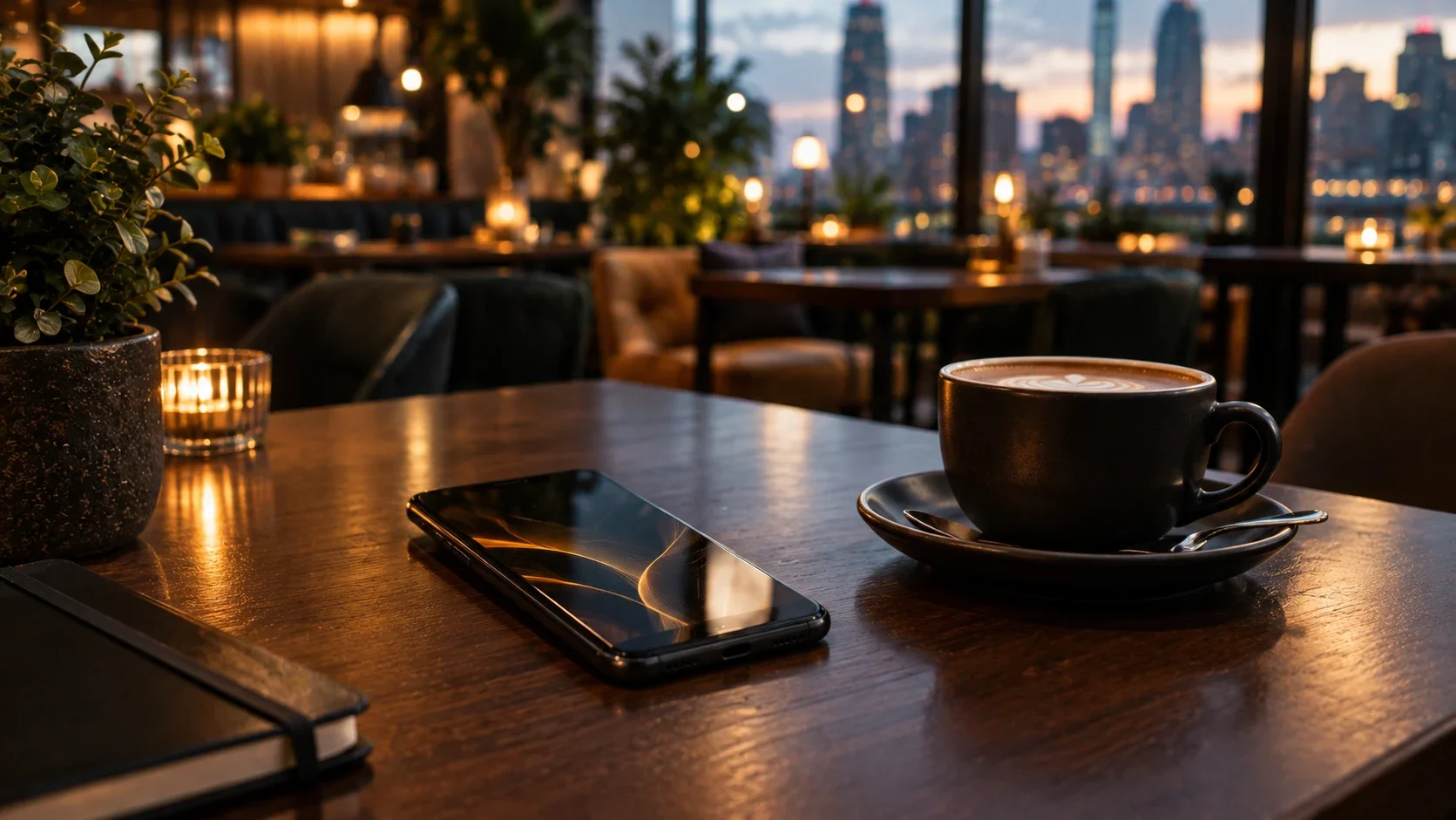
For decades, the concept of a "safe space" within the LGBTQ+ community was almost exclusively physical. It was the tucked-away neighbourhood bookstore, the underground community center, or the local queer bar with its neon sign flickering in the evening light. These physical havens provided more than just entertainment; they were vital sanctuaries for self-expression, identity formation, and political solidarity.
However, the landscape of queer leisure and social connection is undergoing a profound evolution. As urban spaces become increasingly expensive and digital connectivity becomes ubiquitous, the boundaries of where community happens are shifting. Today, the modern queer experience exists in a dynamic hybrid reality—where physical venues, mobile platforms, and digital culture intersect to create new forms of accessibility, community building, and interactive entertainment.
The Changing Geography of Local Community Hubs
Urban development, rising commercial rents, and shifting post-pandemic habits have altered how physical queer spaces operate. In cities across North America and Europe, traditional bars and dedicated community hubs face growing financial pressures. Yet, far from fading away, the community is adapting by redefining what a gathering space can be.
Rather than relying solely on late-night nightlife venues, a new wave of queer-owned and inclusive spaces is emerging:
Daytime Community Cafés and Cooperatives: Pop-up social spaces, sober lounge environments, and bookstores that double as remote work hubs during the day and performance venues by night.
Cultural and Recreational Clubs: Outdoor adventure groups, sports leagues, and creative workshops that prioritize wellness, physical health, and shared hobbies over traditional partying.
Multi-Disciplinary Art Venues: Flexible galleries and performance spaces that host everything from local drag shows and indie film screenings to panel discussions on digital activism.
These evolving physical locations remain essential, but they now exist alongside an expansive digital ecosystem that complements and enhances the physical atmosphere.
The Rise of the Hybrid Gathering: Physical Meets Digital
The modern event-goer rarely experiences a concert, festival, or community gathering strictly offline. Mobile devices have transformed attendees from passive spectators into active participants who curate, document, and share their experiences in real time.
Digital integration has fundamentally changed event accessibility and participation:
Instant Accessibility and Safety Information: Mobile apps allow community members to quickly check the safety protocols, accessibility features, and crowd vibe of venues before stepping through the door.
Virtual Ticketing and Micro-Communities: Digital ticketing systems and dedicated chat groups allow attendees to connect with peers before an event even starts, reducing social anxiety and fostering early networking.
Hybrid and Streamed Events: For members of the community who are neurodivergent, chronically ill, or living in isolated geographical areas, live-streamed performances and interactive digital platforms offer a crucial bridge to local culture.
This seamless crossover between the physical and the virtual means that entertainment is no longer bounded by four walls. Whether joining a live digital commentary stream during a major cultural event or accessing specialized online platforms, connectivity is at the heart of modern leisure.
Speed, Security, and Trust in Digital Platforms
As queer social life increasingly intersects with online environments—from ticketing portals and dating apps to online gaming and entertainment platforms—data privacy and digital security have moved to the absolute forefront. For marginal communities, online safety is not just a matter of convenience; it is a fundamental requirement.
When engaging with online platforms, whether for recreation, gaming, or community networking, users demand robust technical standards:
Data Privacy and Anonymity Options: Platforms must prioritize user consent, allowing individuals to control how much personal information is shared publicly.
Advanced Encryption Standards: The implementation of end-to-end encryption (SSL/TLS protocols) protects sensitive user interactions and financial transactions from unauthorized third-party tracking.
Seamless, High-Speed User Interfaces: A lag-free, highly responsive mobile interface ensures that users can access live features, interactive media, and real-time support without operational friction.
In the broader digital entertainment landscape, global platforms that set high benchmarks for speed, interface design, and secure infrastructure are leading the way. Services like Pari match demonstrate how modern digital systems utilize high-performance architecture to deliver fluid, real-time interactive experiences while maintaining rigorous backend stability and security standards for users worldwide.
Breaking Barriers: The Power of Inclusive Tech
Technology itself is neutral, but how it is deployed within inclusive communities makes all the difference. The democratization of digital tools has enabled independent queer creators, event organizers, and performers to build their own audiences without relying on traditional corporate gatekeepers.
Digital platforms empower community-led initiatives in several impactful ways:
Crowdfunded Cultural Projects: Independent artists and community organizers can secure funding directly from their audience, bypassing mainstream media filters.
Global Solidarity Networks: Local events in smaller cities can gain international visibility, inspiring similar initiatives across different countries and cultures.
Algorithmic Inclusivity: Modern discovery tools help users find niche events, specialized entertainment options, and affinity groups that match their specific identity and interests.
By blending robust digital tools with authentic real-world connections, the global queer community continues to build a resilient, multi-layered infrastructure for culture and entertainment.
Looking Ahead: The Future of Queer Leisure and Connectivity
As we look toward the future, emerging technologies like artificial intelligence, augmented reality (AR), and next-generation mobile networks will further blur the lines between physical gatherings and virtual spaces. Imagine attending an immersive local art exhibition where digital overlays provide historical context, or participating in a global interactive festival from the comfort of a local coffee shop.
Ultimately, technology is serving as an amplifier for what has always made queer culture vibrant: creativity, adaptability, and an unwavering commitment to community. Whether through a bustling local venue or a sleek, high-speed mobile platform, the spaces where we meet, play, and connect will continue to expand, offering safer, faster, and more inclusive experiences for everyone.
Online spaces have been found to support the mental health and well-being of LGBTQ young people through the exploration of diverse sexual orientations and gender identities, peer connection, and social support. They can also pose harm to LGBTQ young people, such as higher risk of cyberbullying compared to their non-LGBTQ peers. The Trevor Project 2023. If you ever experience harassment, threats, sextortion, or need support while navigating dating apps in BC, help is always available: Crisis & Mental Health Support - Trans Lifeline: 1-877-330-6366 (24/7 peer support for trans and non-binary people) Kids Help Phone: Call 1-800-668-6868 or text CONNECT to 686868 (24/7 support for youth). Safety & Image Takendowns - BC Intimate Images Protection Service: Help with getting unauthorized intimate photos or videos removed online quickly. Cybertip.ca / NeedHelpNow.ca: Reporting line and step-by-step guidance for online safety, harassment, and extortion. If you are in immediate physical danger, always call 911 or contact your local police/RCMP.