
RuPaul, reality TV, and gambling: How Pop Culture Brought Casino Entertainment Into Queer Spaces
RuPaul, reality TV, and gambling: How Pop Culture Brought Casino Entertainment Into Queer Spaces
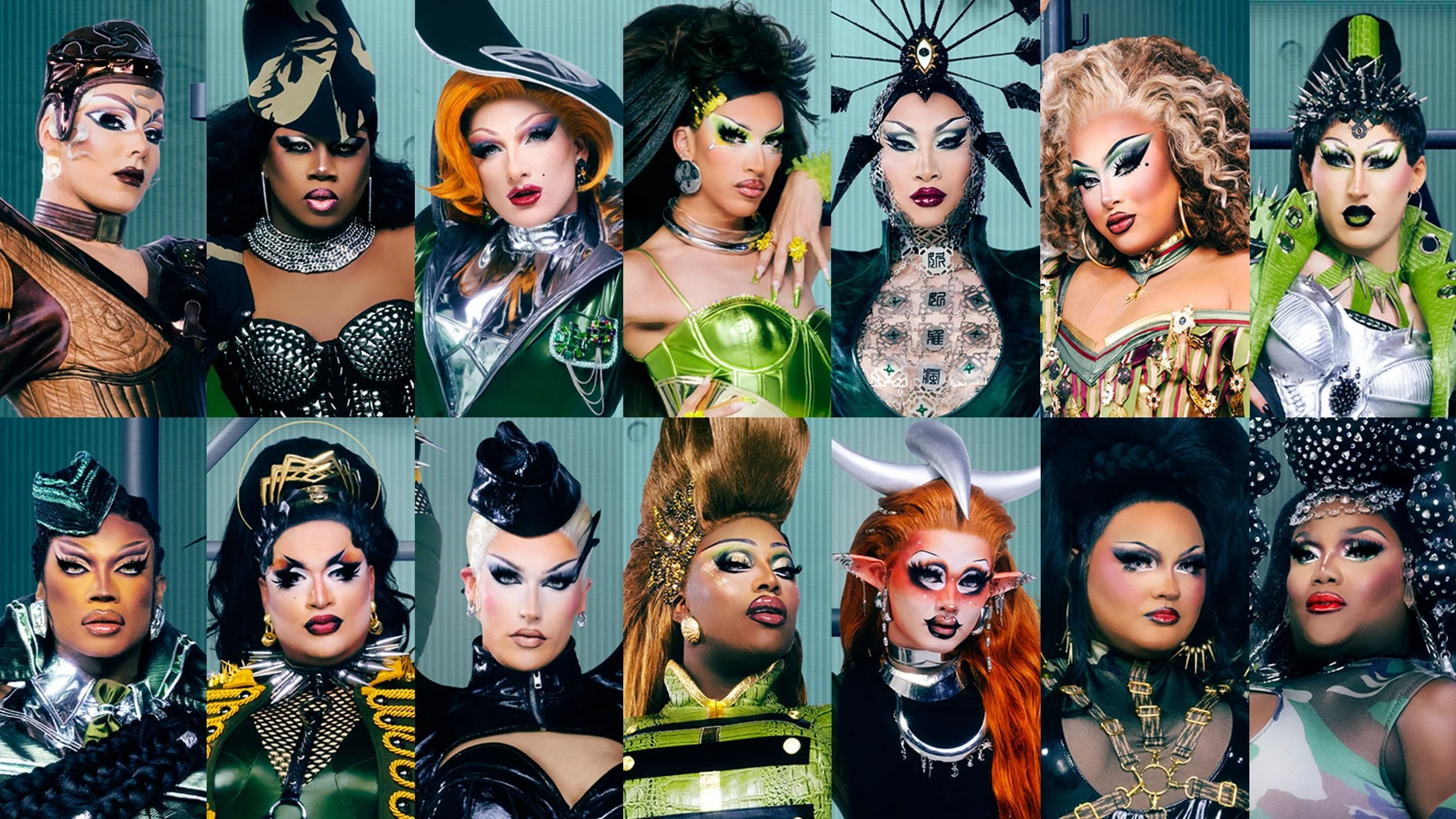
Today’s highlight overlap did not become obvious in a casino; it became obvious in pop culture. Once RuPaul’s Drag Race turned drag into a global competition format, queer nightlife started reflecting more of the same ingredients: suspense, reveal, crowd participation, and a taste for high-gloss risk.
What had once looked like separate worlds, drag performance on one side, gambling aesthetics on the other, began sharing the same visual and emotional language.
RuPaul's rise made that crossover easier to see. The Television Academy credits RuPaul with 14 Primetime Emmys, and the franchise has moved well beyond niche cable fandom. Once drag competition became a repeatable format, its language of elimination, payoff, glamour, and reveal travelled easily into queer nightlife and entertainment spaces.
Queer spaces already knew how to turn play into ritual
The gambling link did not arrive from nowhere. Long before casino brands pushed harder into lifestyle media, queer venues were building events around chance, prizes, camp hosting, and audience participation.
Drag bingo is the clearest example, not because it mirrors a casino app exactly, but because it turns a simple game into a social performance.
Philadelphia's GayBINGO offers a case study. AIDS Fund Philly describes it as a long-running monthly event hosted by drag performers, with costumes, humor, musical numbers, and prizes.
Local coverage has also tied it to decades of fundraising and millions raised for HIV-related support. Queer communities were already mixing entertainment and communal play before the current wave of online gambling normalization.
Reality TV sharpened the appetite for suspense
Pageants made drag competitive, but reality TV changed the scale. Drag Race packaged drag into weekly stakes: confessionals, eliminations, challenge wins, fan debate, and the constant question of who had momentum. Once that structure reached mass audiences, viewers did not watch quietly. They predicted, argued, and tried to read outcomes before the judges delivered them.
That is where the casino comparison starts to make more sense. Much of gambling culture depends on anticipation, pattern recognition, and the thrill of an uncertain reveal. Drag Race is not gambling, obviously, yet it trains audiences to enjoy some of the same emotional mechanics.
A frontrunner stumbles, the edit swerves, and the room changes temperature in seconds.
Competition became part of the aesthetic
Casino culture sells glamour, ritual, and the promise that the next reveal could change the mood of the room. Drag has its own vocabulary for that, but the overlap is clear enough that the two worlds now borrow from each other.
Las Vegas made the overlap impossible to miss
The clearest symbol of that merge sits in Las Vegas. RuPaul's Drag Race Live! has an official home at the Flamingo, placing one of queer pop culture's biggest franchises inside one of casino culture's most recognizable environments. Drag was no longer brushing against casino aesthetics from a distance. It was anchoring a residency inside the showroom logic of the Strip.
That placement changed perception. It suggested that drag could function not as an outsider novelty, but as core entertainment in a city built on gaming, fantasy, and spectacle.
Ontario's regulated market changed the media environment
The digital side of the story matters too. Ontario's regulated iGaming market launched on April 4, 2022, opening a framework that made online gambling more visible across mainstream publishing. Once regulated gaming moved into ordinary media categories, it started appearing beside coverage that was not narrowly about gambling at all: sports, celebrity culture, nightlife, streaming, even reality television.
In that climate, it no longer feels unusual to see entertainment features living a few clicks away from comparison pages for top-rated online casinos for Ontario players.
The point is not that drag fandom and casino play are the same activity. Digital publishing now groups them inside a wider entertainment economy built around attention, choice, and repeat engagement.
Regulated markets gave publishers a safer, more legitimate framework for covering gaming
mobile design made casino products feel closer to other app-based entertainment habits
queer audiences were comfortable with hosted play, themed events, and communal viewing rituals
Camp changed the tone of the crossover
Queer spaces did not just import casino culture as-is. They translated it. In a standard casino advert, glamour can feel polished to the point of distance. In queer nightlife, glamour usually arrives with a wink, a joke, or a knowing exaggeration that invites the room in.
A drag host stretching suspense for comic effect does not feel like a direct copy of mainstream gaming culture. It feels communal first. Camp softens the edges, adds irony, and turns spectacle into something shared rather than merely consumed.
Visibility brought commercial pressure and political friction
Mainstream success brought bigger stages, branded experiences, and more obvious forms of monetization. It also arrived during a period when drag events faced sustained political attacks. GLAAD has documented more than 160 anti-LGBTQ protests and threats targeting drag events since early 2022, a reminder that wider visibility can open doors and sharpen backlash at the same time.
That tension sits underneath the glamour.
The same ecosystem that can turn drag into a profitable entertainment product can also flatten it into an aesthetic, or place it beside commercial messages that do not always share its community roots.
Pop culture did not invent the connection; it amplified it
RuPaul did not create queer communities' interest in games, prizes, camp hosting, or high-stakes performance. Those elements were already present in pageants, charity nights, drag bingo, and bar culture. Pop culture magnified them, then routed them through television, Vegas, and digital media until the overlap with queer nightlife and casino entertainment became hard to miss.
Casino entertainment did not suddenly enter queer spaces from the outside. Much of the groundwork was there. Pop culture gave those habits a larger stage, making the shared language of glamour, risk, performance, and suspense easier to recognize.
Please play responsibly. The 2SLGBTQiA+ community is known to be at higher risk for gambling-related harm due to a range of social and economic factors. If you or someone you know is struggling with gambling, there are support services available in British Columbia. Contact the BC Gambling Support Line at 1-888-795-6111, available 24/7, or visit www.bcresponsiblegambling.ca for confidential help, information, and free counselling.