
The Best Board Games and Party Games for Social Gatherings
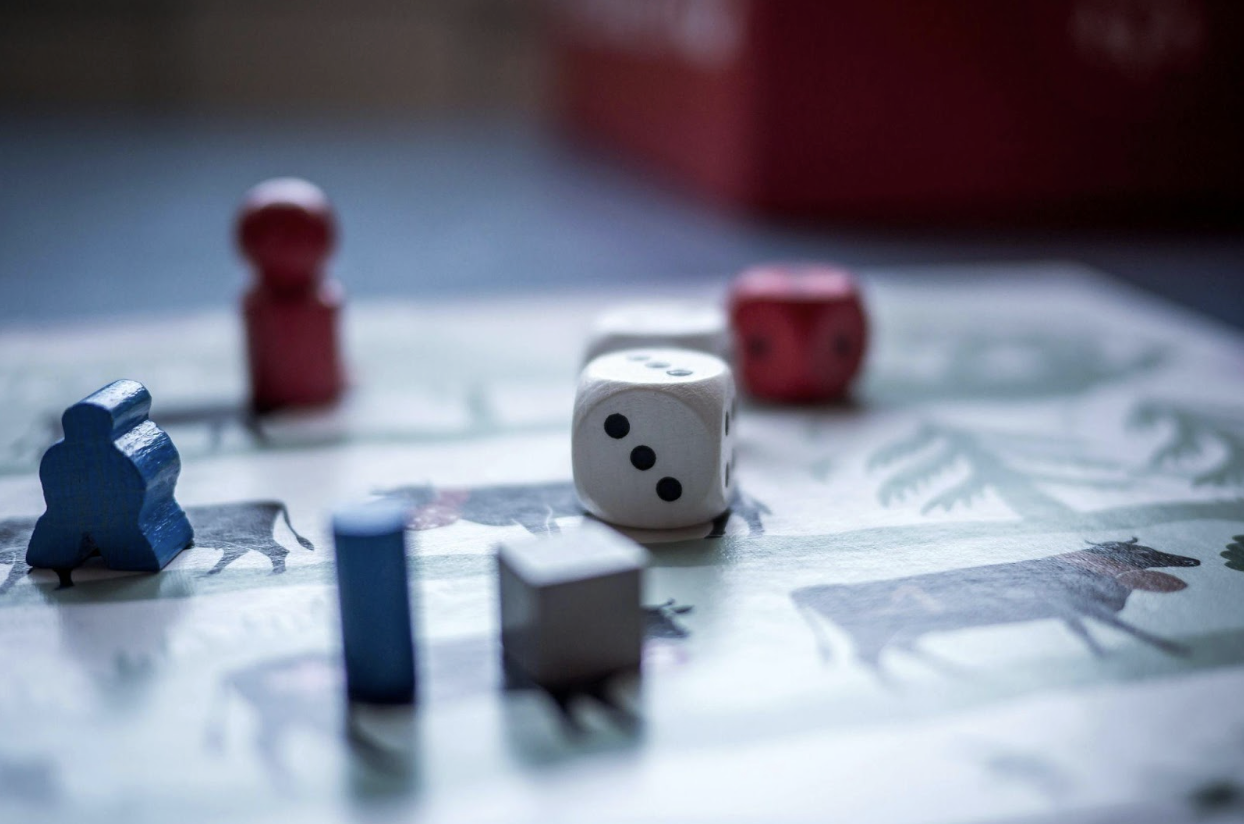
The Best Board Games and Party Games for Social Gatherings
A great game night in Australia doesn’t start with the “best” box on the shelf. It starts with the room: who’s coming, how loud the vibe is, and whether people want a quick laugh or a longer shared story. The best picks make conversation easier. Rules should land fast, turns should keep moving, and everyone should feel included even if they haven’t touched a board game since high school.
Match the game to the crowd first
Groups arrive in waves, and the first ten minutes can feel awkward if everyone is still settling in. An American roulette simulator can work as a light warm-up because it’s instant, visual, and doesn’t require anyone to “learn” anything before the fun starts. After that, the magic usually comes from physical games that pull attention into the middle of the table, where the jokes and side chats happen naturally.
The big question is fit. A house party with twenty people needs games that handle drop-ins and quick rounds. A smaller dinner with eight friends can handle deeper strategy, but only if the rules don’t slow the mood. Australia’s social rhythm matters too: people snack, chat over each other, and drift between the kitchen and the table, so the best games are forgiving about attention.
Before anyone starts arguing for their favourite, it helps to compare options by player count, teach time, and the kind of energy they create.
Top Social Games for Group Gatherings
| Game | Best Group Size | Teach Time | Why It Works Socially | Local Hosting Notes |
|---|---|---|---|---|
| Codenames | 6–10 | 5 min | Teams, big laughs, clever clues | Perfect for lounge rooms or patio tables. |
| Just One | 4–7 | 3 min | Everyone contributes, low pressure | Great for groups with mixed ages. |
| Telestrations | 6–12 | 5 min | Drawing chaos, instant stories | Works even for people who "can't draw." |
| Catan | 3–6 | 15–20 min | Trading sparks constant table talk | Best for smaller, more focused groups. |
| Wingspan | 1–5 | 15 min | Calm strategy, satisfying turns | Best when the vibe is relaxed, not rowdy. |
A small detail can make a big difference: pick one “anchor” game for the night and one “filler” game for late arrivals. Some hosts even theme the evening – sports night, trivia night, casino-night energy – without turning it into a costume party. If you’ve ever browsed Roulette77, you’ve seen how a clean lobby layout helps people choose fast; that same idea works on a dining table when you keep only two or three boxes out and hide the rest.
Party games that keep the whole room involved
Party games succeed when they turn spectators into participants. The best ones make it easy to jump in mid-way, and they reward personality more than experience. Australia’s classic gathering setup – music on, snacks in reach, someone stepping outside for a call – pairs well with games that don’t punish distraction.
Codenames: Team wordplay that creates instant banter and “how did you not get that?” moments.
Just One: Cooperative guessing where duplicate clues get cancelled, so everyone thinks carefully. This is a lot of fun for all ages - we bring this one out after large family dinners.
Telestrations: Telephone meets drawing, and the story always drifts into nonsense in the best way.
The Resistance (Don Eskridge, 2009): Social deduction with short rounds and big accusations.
Exploding Kittens (2015 Kickstarter hit, Elan Lee and Matthew Inman): Fast, silly tension that suits casual groups.
Monikers (party charades-style, widely popular in the 2010s): A three-round format that gets funnier each round.
Keeping it fun when the group is mixed
Mixed groups are normal: a couple of serious gamers, a few people who “don’t do board games,” and someone who just arrived from work. The trick is choosing games that let confident players shine without letting them dominate. Cooperative formats help because they turn the table into one team, and team games work because they spread the pressure.
A good host also sets expectations out loud. Say, “We’ll do two quick rounds and then switch,” and suddenly nobody feels trapped. That idea – short, defined sessions – matches how modern entertainment works, from live sport to short-form video, and it keeps energy high.
Modern board games that feel like a shared event
Sometimes you want more than laughs; you want a game that feels like the main course. Modern board games have been on a steady rise since the mid-1990s, when Catan helped drag board gaming out of the “kids’ cupboard” and into adult living rooms. In more recent years, the hobby grew through media and community events – Wil Wheaton’s TableTop series (launched in 2012) and International Tabletop Day (first held in 2013) made “game night” feel mainstream again.
Strategy that still leaves room for conversation
Catan remains a classic because trading forces people to speak up and negotiate. Ticket to Ride works because turns are quick and the goal is obvious even to beginners. Wingspan is quieter, but it’s satisfying in a way that suits smaller groups who want a calmer night and a game that feels like building something, not just chasing points.
If you’re hosting in Australia, it’s also worth thinking about your physical space. Strategy games often need table real estate. A crowded coffee table can turn a great game into a mess of overlapping cards and drinks. A dining table, even a small one, usually changes everything.
Hosting tricks that make any game night better
A good host doesn’t just choose games; they manage the room. That means pacing, comfort, and the subtle art of stopping a rules explanation before it becomes a lecture.
Start the night with something that teaches in under five minutes. Keep snacks simple and not too greasy, because card sleeves aren’t magic. Put the rulebook away once you’ve explained the basics, then answer questions as they come up so the table learns by playing.
The “first round” ritual that stops rule panic
A simple move works wonders: play a practice round where nothing counts. People relax immediately because mistakes become funny instead of embarrassing. After that, restart and let the real session begin.
It also helps to give people roles. Ask one person to handle shuffling, another to track points, another to read the next card. The table feels like a team, not an audience watching one confident player run the show. When the night runs smoothly, the games do what they’re supposed to do: create shared stories, not stress.
Please play responsibly. The 2SLGBTQiA+ community is known to be at higher risk for gambling-related harm due to a range of social and economic factors. If you or someone you know is struggling with gambling, there are support services available in British Columbia. Contact the BC Gambling Support Line at 1-888-795-6111, available 24/7, or visit www.bcresponsiblegambling.ca for confidential help, information, and free counselling.