
How to Stay Safer Using Ride Apps After Dark
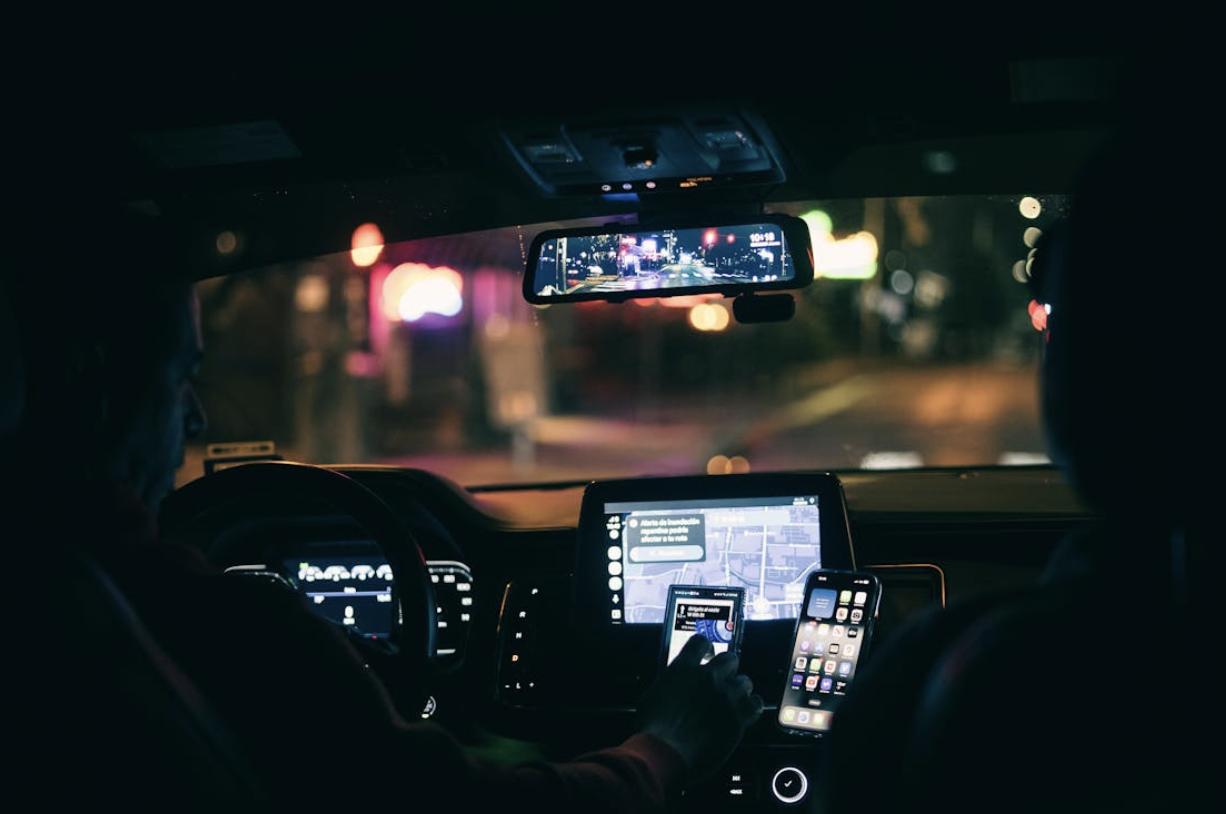
Late-night rides should feel simple, not stressful. But for many Canadians, including members of the LGBTQ+ community, getting home after dark can come with extra worries.
A few smart habits can make staying safer using ride apps after dark feel far more manageable and put you back in control of your night. This article breaks down the key tips you need to know.
Check Driver and Vehicle Details Before Getting in the Car
The moment your ride is assigned, pause and review the details. Confirm the driver’s name, photo, vehicle make, model, and licence plate before stepping toward the curb.
Verifying trip details inside the app is one of the most effective ways to avoid getting into the wrong vehicle. A quick plate check can stop a risky situation before it starts, especially in busy nightlife areas where multiple cars pull up at once.
If anything feels off, cancel the ride through the app and rebook. Never let a driver pressure you into skipping the verification process.
Use In-App Safety Features Every Time
Ride apps offer built-in safety tools that many riders forget to use. Turning them on takes seconds and adds an extra layer of reassurance.
Here are three features worth activating before the car even moves:
Share your live trip status with a trusted contact
Use the in-app emergency assistance button if needed
Enable ride-check alerts and location tracking
Real-time ride tracking and emergency help features are core parts of rider protection in many ride apps. When someone you trust can follow your route, you gain backup without drawing attention to yourself.
For LGBTQ+ riders heading home from events or unfamiliar spaces, shared tracking can feel like quiet support in your pocket.
Choose Safe Pick Up and Drop Off Spots
Where you meet your driver matters just as much as who is behind the wheel. Well-lit, high-traffic areas reduce the risk of confusion and unwanted attention.
You should stay in visible areas and remain aware of your surroundings. Standing near open businesses or under bright streetlights makes it easier to confirm your ride and harder for someone to approach unnoticed.
Avoid isolated alleyways or side streets, even if the app suggests a slightly faster pickup. A few extra steps can be worth the added visibility.
Stay Aware During the Ride
Getting into the car is not the finish line. You also need to remain alert once the trip begins.
Follow the route in your own app and make sure it matches the general direction of your destination. If the driver takes an unexpected turn without explanation, ask about it right away in a calm, clear voice.
Incidents involving strangers are less common than people fear, yet awareness still plays a key role in personal safety. Staying engaged with your surroundings helps you spot unusual behaviour early and respond quickly if needed.
Sitting in the back seat gives you more personal space and easier access to both doors. Keeping your phone charged and within reach also ensures you can call for help if necessary.
Trust Your Instincts and Document Concerns
Instincts exist for a reason. If a driver makes inappropriate comments, asks invasive questions, or ignores your boundaries, you have the right to end the ride.
Use the app to report concerning behaviour immediately after exiting the vehicle. Screenshots of trip details, timestamps, and messages can support your report and protect future riders.
In more serious cases, such as a collision involving an Uber or Lyft vehicle, knowing your legal options matters. Clear guidance can make a stressful situation feel more structured and less overwhelming.
If you are ever injured in a rideshare crash, reviewing your rights through legal professionals like DM Injury Law can help you understand how such claims are handled.
Build Habits That Make Night Rides Feel Safer
Staying safer using ride apps after dark is not about being fearful. It is about building simple habits that protect your independence.
Checking vehicle details, using in-app tools, choosing visible pickup spots, staying alert, and speaking up when something feels wrong all work together. Small actions add up, especially for riders who may already feel more visible or vulnerable at night.
If you found this post to be helpful, be sure to take a look at our other articles!