
What Aging Looks Like for Queer People Without Strong Support Systems
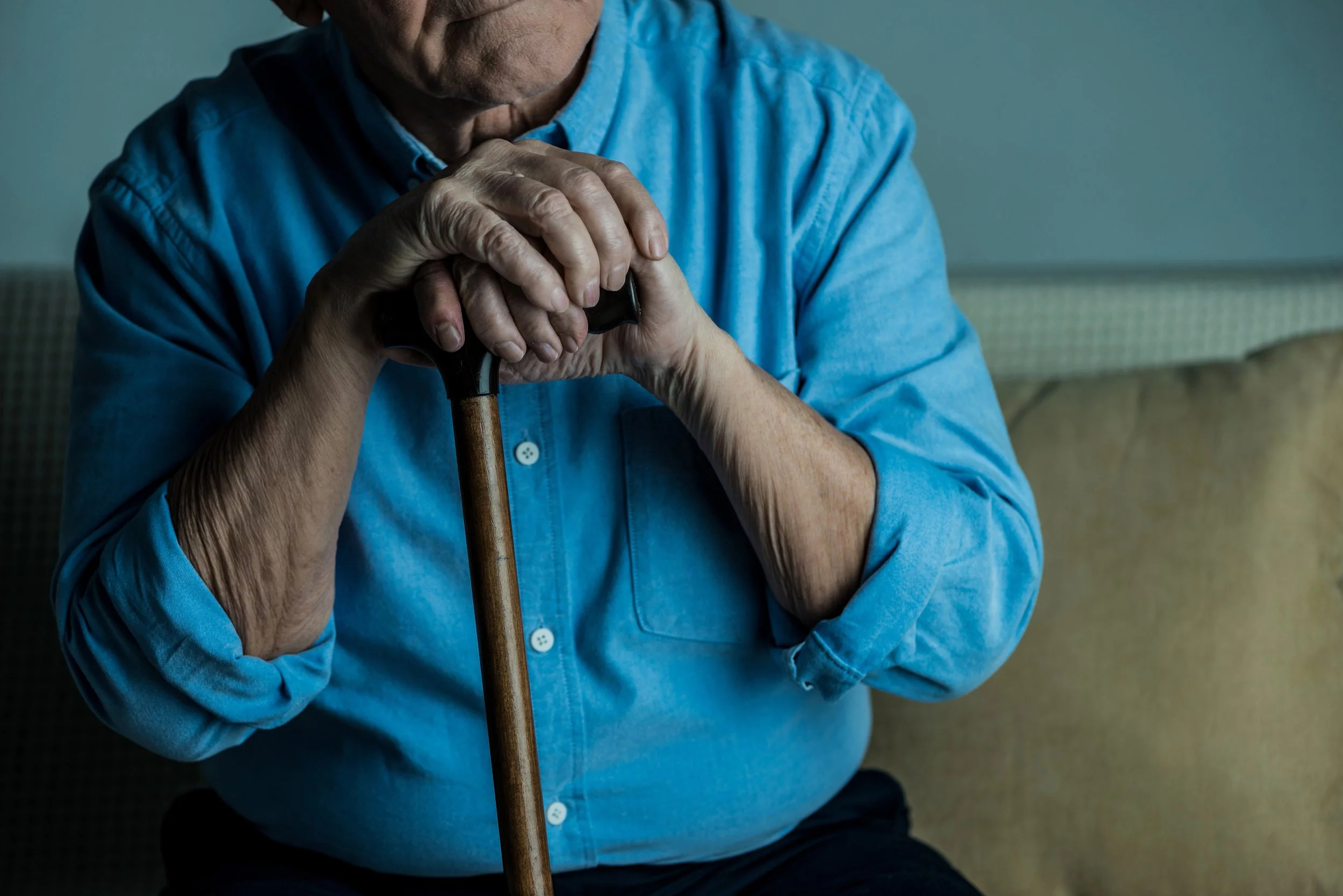
It’s Tuesday afternoon.
You have a small cold, so you’re not feeling great, but it’s nothing too serious. Still, it’s enough to slow you down, and it makes you want to call someone and have them bring over some soup and sit with you for a bit.
But who do you call? Is there anyone to call at all?
For the lucky ones, the answer to these questions is simple. They might call their sister, parent, cousin, child… They have a safety net of sorts, and it’s been there since day one. But there are those who don’t have that. They grew up hearing how blood is thicker than water, but they learned the hard way that that wasn’t true. So they built their own families. They found their people in friends, neighbours, perhaps even in ex-partners. That’s what you’d call a chosen family.
But life happens.
People move away, drift apart, get sick, and that tight group of people that once meant everything is smaller or not even there.
What next?
What Happens When Your People Can’t Show Up the Same Way Anymore
Your chosen family is the people who show up for you, and for much of your life, that works great. If you need a ride to the doctor’s appointment, someone’s there to take you. If someone from the group is going through an emotional time, you all gather around to support them.
It’s give-and-take, and everyone’s in it together.
But usually, you’re all close in age, which means you tend to get old(er) at the same time.
And as you age, you get weaker and more prone to illnesses. So maybe the friend who drove you to appointments now can’t drive anymore because their eyesight is too bad or they’re dealing with a chronic condition. Maybe another friend moved away to be closer to their kids. Whatever the case, little by little, what seemed like a tight web of support has started to fray.
Now, things get complicated.
You’ve most likely spent your entire life being independent, and you were the one helping others. When you’re young and healthy, you hardly ever ask for help with the most basic stuff because you can do it all and more on your own.
But once you’re older, you have no choice. At the same time, you worry about being a burden, so you downplay the pain and skip an appointment here and there because it’s easier, and you tell yourself that 'things aren’t so bad.'
However, small things add up pretty fast.
You miss an appointment, don’t buy groceries on time, miss prescriptions, and before you know it, 3 days have passed, and nobody even asks how you were. It’s not that people don’t care; it’s that they’re dealing with their own stuff.
Whatever the reason for not checking in, the fact is that the safety net you spent most of your life building has gaping holes in it, and you weren’t expecting that.
Small Things That Help More Than People Expect
Whenever the topic of the conversation goes into aging without a strong support system, people tend to mention the big, dramatic stuff. And the funny thing is, that’s not what helps the most.
Small, ordinary habits that you hardly even think about are the ones that mean the most, and none of them take a lot of effort.
Keep in Touch
A text message or a quick phone call is enough.
When someone checks in regularly, they start to see what 'normal' feels like for that person. This means that they’ll notice if someone’s tired, sick, or if they simply feel off.
Consistent contact means that you’re able to spot changes on time and react before they become serious issues.
Don’t Rely on Just One Person
It’s totally fine if there’s one person you’re closest to, but that person can’t be your whole support system. What if they get sick or need a break? Build a wider circle, even if it’s just 2 or 3 extra people.
You won’t notice nearly as many gaps when one of you can’t show up.
Pay Attention When Something Feels Off
Older people tend to be moody and even confused, but pay attention in order to notice red flags on time. This is especially important if you don’t see them as much and/or if they’re in a care facility.
Let’s be honest, you hear horror stories about neglect and warning signs of nursing home sexual assault all the time, and see these types of cases drag on in courtrooms, lawyers, judges, the whole shebang. TV stations and social media cover it all the time.
And yes, while you do feel horrible for a second, you realize it’s not happening to you, and so you keep on scrolling and move on, forgetting it. If it feels off, if you feel bad about it, don’t ignore it. Take action!
Talk About the Future Early
Nobody wants to get old, but that doesn’t mean you can ignore it.
Have those uncomfortable conversations on time to see what people expect of you and to let them know what you expect of them. You don’t need to make decisions right away, but if everyone’s on the same page, there’s no panic and guessing later on.
Conclusion
To most people, independence is one of the most important things in life.
And nobody says that it doesn’t feel good when you’re able to take care of everything on your own, but independence alone isn’t safe. True safety is connection and knowing someone will notice if you don’t answer the phone.
Right now, what you can do is stay present and stay curious about your friends.
It matters way more than you think, and someday, you’ll be glad you paid attention when you did.
2 Interlinking Opportunities:
From https://www.whatsonqueerbc.com/woq-bc-stories/queer-senior-vancouver with anchor queer senior communityFrom https://www.whatsonqueerbc.com/woq-resources/2slgbtqia-senior-resources with anchor social connection