
Navigating Safety, Trust, and Accountability in Queer Spaces
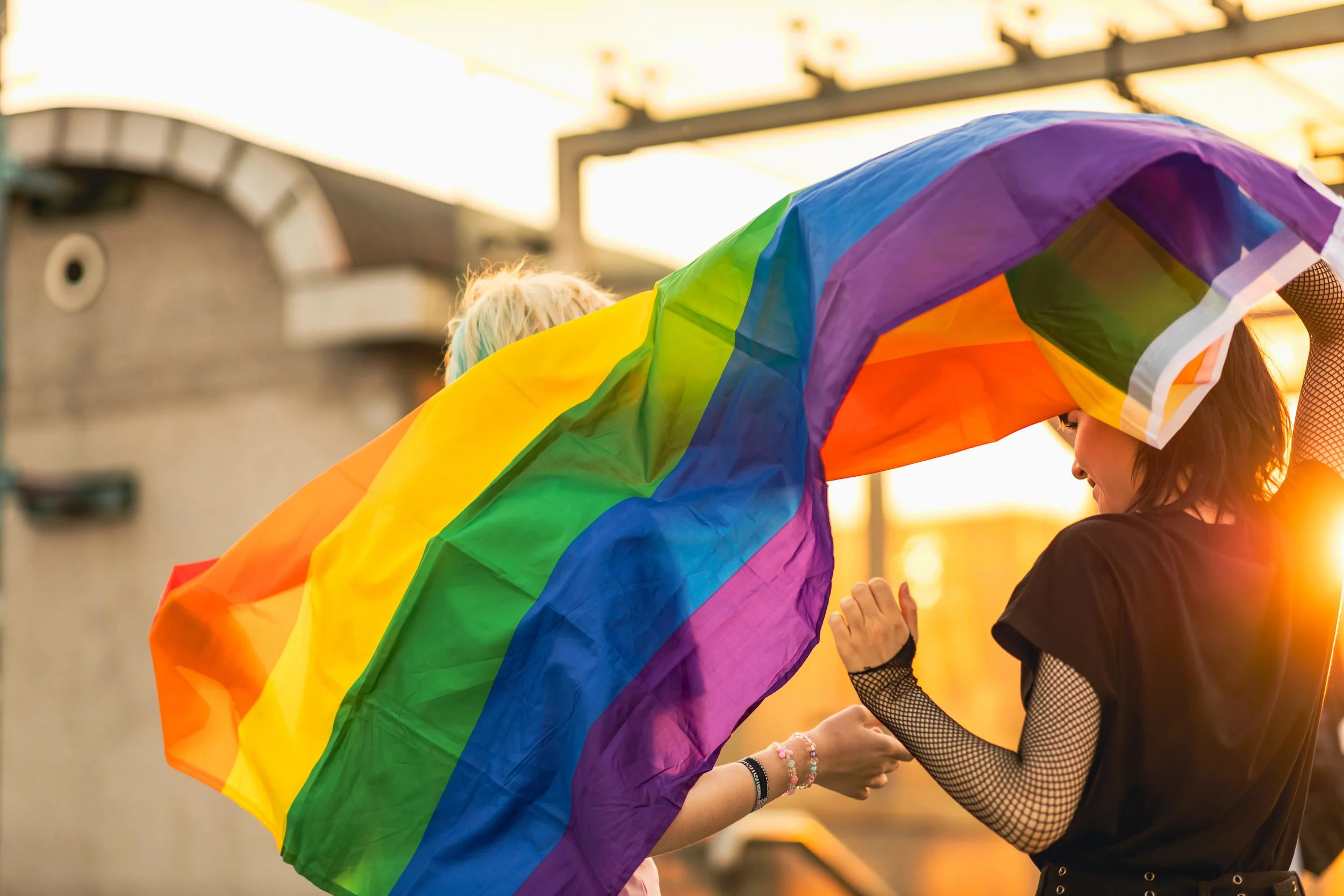
The Meaning of Safety in Queer Spaces
For many LGBTQ+ individuals, queer spaces mean far more than socializing. They offer refuge, identity, and the freedom to exist without explanation. Whether found in community centres, events, nightlife, or digital communities, these environments are often shaped by shared respect and mutual care.
Safety within these spaces has several dimensions. It includes physical safety, where people can gather without fear of harm, and emotional safety, where identities are affirmed and boundaries are respected. For many, queer spaces are the first places where they feel fully seen and understood. That sense of belonging helps create trust.
That trust is built through shared values, collective experience, and a long history of carving out spaces in a world that has not always been welcoming. People rely on an understanding that others within the space will honor those values and treat one another with care.
Because of this, safety in queer spaces often feels deeply personal. It is tied to identity, community, and connection. That same emotional depth can make these spaces more complicated when trust is broken. Many people lower their guard in queer environments because they expect solidarity and understanding, which makes accountability even more important when harm occurs.
When Trust Is Broken Within the Community
Even in spaces built on mutual respect, trust can be tested. Queer communities are not immune to power imbalances, interpersonal conflict, or harmful behavior. These experiences can feel especially painful because they happen in environments that are expected to offer acceptance and support.
Trust may be broken in subtle ways through manipulation, pressure, or blurred boundaries. In other situations, the harm is more direct. Because queer spaces often function as close-knit networks, those affected may feel isolated, conflicted, or unsure about how to respond.
Social groups, activist circles, and nightlife scenes can all have their own hierarchies. Popularity, influence, or community status may make it harder for someone to speak up. When the person causing harm is well known or trusted, silence and disbelief can become part of the problem.
Some communities also feel pressure to protect the space's image. People may worry that acknowledging harm will damage something others rely on for comfort and a sense of belonging. As a result, concerns may be minimized or difficult conversations avoided. This can leave those affected feeling unsupported at the very moment they need clarity.
Recognizing that harm can happen within queer spaces does not weaken the community. It creates room for honesty, responsibility, and healthier relationships grounded in real accountability.
Recognizing Harm and Knowing Your Rights
Harm does not always appear in obvious ways. It can develop gradually through patterns of behavior that feel uncomfortable but are hard to define at first. This may include pressure that overrides personal boundaries, manipulation that creates confusion, or situations where consent is not clearly given or respected. Recognizing these experiences is an important step toward self-protection.
For many LGBTQ+ individuals, that process can be complicated by doubt and self-questioning. It may feel difficult to label an experience as harmful, especially when it involves someone from the same community. Worry about disrupting social circles or being misunderstood can delay action.
Understanding personal rights matters just as much as recognizing harm. Every individual has the right to feel safe, set boundaries, and expect those boundaries to be respected. When those rights are violated, there may be options beyond private conversations or informal community responses.
In some situations, speaking with an abuse lawyer can help clarify those options. Professional guidance may help individuals better understand their rights, the protections available to them, and the steps they can take if they decide to move forward.
Having access to this kind of information does not mean anyone must act immediately. It simply allows people to make informed choices at their own pace, based on their needs and circumstances.
Barriers to Speaking Out in LGBTQ+ Communities
Speaking out after experiencing harm is rarely easy. Within LGBTQ+ communities, it can feel even more complicated because of the close connections that often define these spaces. Friend groups overlap, communities are often small, and the fear of losing a sense of belonging can weigh heavily on those affected.
Many people worry about how they will be perceived if they share their experience. They may fear not being believed, being misunderstood, or facing subtle exclusion. In spaces where acceptance feels essential, the risk of being pushed to the margins can be especially painful.
Intersectionality can deepen these challenges. Race, gender identity, financial circumstances, disability, and immigration status may all affect how safe someone feels when coming forward. Past experiences with discrimination or institutional bias can also make formal support systems feel difficult to trust.
There may also be pressure to protect the community's reputation. Some individuals hesitate to name harmful behavior because they fear it could reflect badly on queer spaces as a whole. This silence often protects systems of harm instead of the people affected by them.
These barriers are real, and they help explain why many people struggle to decide to speak out. Acknowledging them is necessary for creating environments where individuals feel supported in making choices that protect their well-being.
What Accountability Can Look Like
Accountability in queer spaces can take different forms, and it often begins with listening to those who have experienced harm. Community responses such as mediated conversations, restorative efforts, or collective boundary-setting may offer an initial path forward. These approaches can be meaningful, but they do not always provide lasting safety or resolution.
There are limits to informal accountability. When harm is serious, repeated, or ongoing, community-based responses may leave important gaps. Someone may still feel unsafe, unsupported, or unsure about the protections available to them.
Formal accountability can offer a different kind of structure. This may include reporting processes, legal protections, or professional support that helps individuals understand their options. Learning more through trusted support resources can make these pathways easier to understand and evaluate.
The decision about how to pursue accountability is personal. Some people may seek community resolution, while others may choose a more formal route. What matters most is having access to clear information and the ability to decide what feels right for the situation.
Taking Steps Toward Protection and Justice
After experiencing harm, taking action can feel overwhelming. The process often starts with small practical steps that create a sense of clarity and control. Documenting what happened, saving messages, and keeping a record of interactions can help establish a clearer picture of events and may be useful later.
Seeking support is another important part of the process. That support may come from trusted friends, affirming community members, counselors, or advocates who understand the emotional and practical weight of the situation. Having someone to talk to can make it easier to process what happened and consider possible next steps.
Exploring formal options can also be useful, even for those who are not ready to make immediate decisions. Some individuals want to learn more about reporting processes or legal pathways before deciding how to proceed. Gathering information early can reduce confusion and help people move forward with more confidence.
Each person’s path will look different. The most important thing is having the space to make informed choices while feeling supported and respected.
Building Safer Queer Spaces Moving Forward
Creating safer queer spaces requires ongoing awareness, clear boundaries, and a willingness to address difficult situations honestly. Communities grow stronger when safety is treated as a shared responsibility rather than an assumption.
Education plays a key role in that process. Open conversations about consent, respect, and personal boundaries help establish expectations that protect everyone involved. When people understand how to recognize harmful behavior and respond appropriately, the community becomes more resilient.
Accountability must also remain part of the foundation. This includes taking concerns seriously, avoiding dismissal, and making sure those affected are heard. Supporting people as they explore their options, whether personal, communal, or formal, helps build a culture where safety remains a priority.
Access to information matters as well. Knowing where to turn and what help is available can make a difficult situation feel more manageable. Exploring practical guidance on staying safe in everyday situations can help strengthen awareness and decision-making.
Safer spaces are built through consistent effort. By encouraging responsibility, supporting one another, and staying informed, queer communities can continue to grow in ways that protect both individual well-being and collective trust.
Moving Forward with Clarity and Support
Healing and clarity do not follow a single path. Each person moves at their own pace, shaped by experience, environment, and the support available to them. What remains essential is access to information, respect for personal boundaries, and the freedom to make decisions without pressure.
Recognizing harm, understanding personal rights, and knowing that support exists can create a greater sense of stability. Even when the path forward feels uncertain, informed choices can help people regain a sense of direction.
Queer spaces continue to hold deep value as places of connection and belonging. Strengthening them requires care, honesty, and a shared commitment to safety. When communities remain attentive to trust and accountability, they create environments where people can feel supported, respected, and better protected.